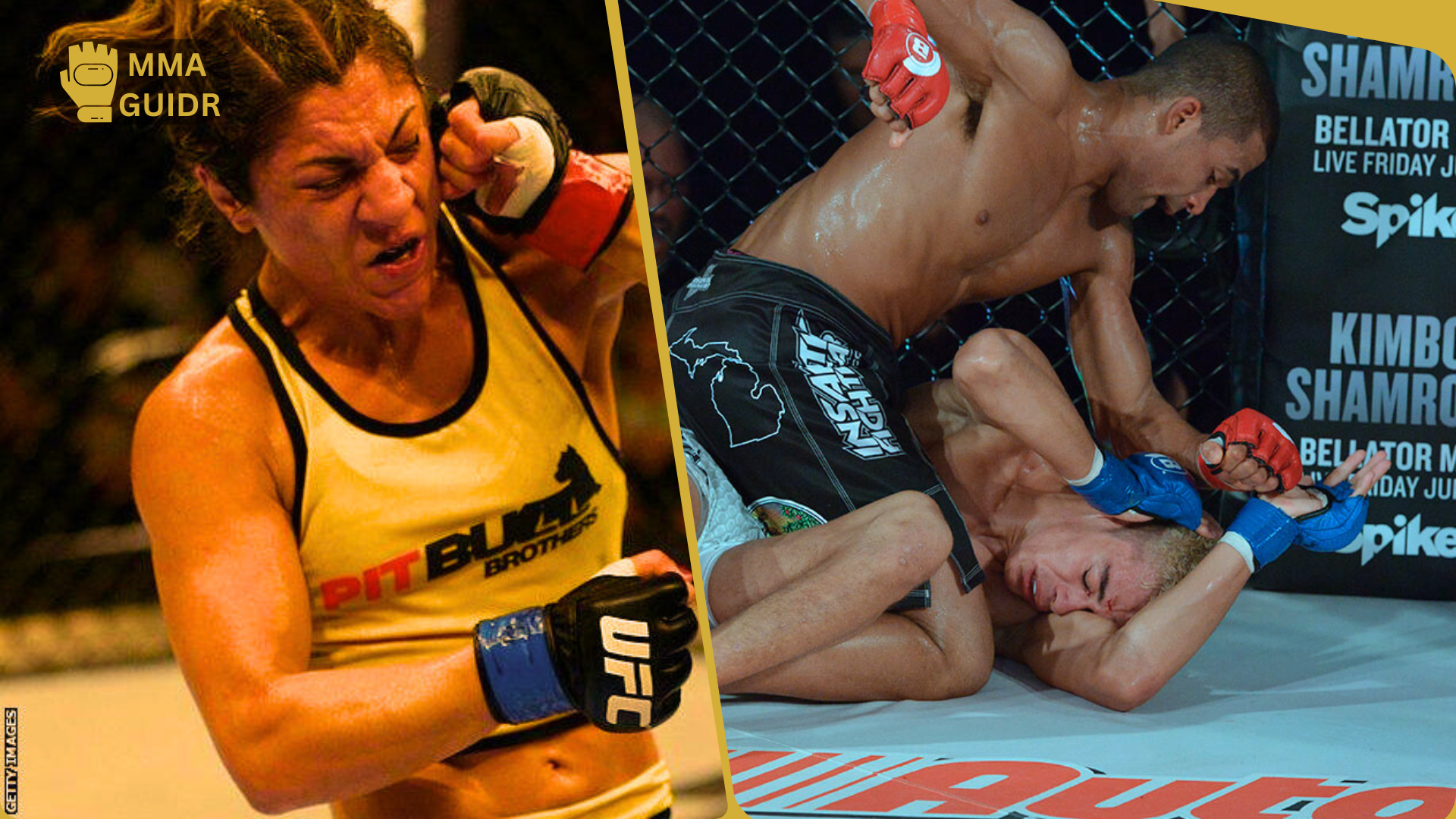
In the high-octane world of Mixed Martial Arts (MMA), the knockout is often the moment that makes the highlight reel. It is the visceral climax of a fight that fans pay to see. But behind the roar of the crowd and the raised hand of the victor lies a silent, creeping opponent that no referee can wave off: Chronic Traumatic Encephalopathy (CTE). As the sport matures, so does our understanding of fighter brain health. The era of “gym wars” is slowly fading, replaced by a science-based approach to longevity that prioritizes the fighter’s life after the final bell rings.
This article dives deep into the reality of CTE in MMA, the shifting culture of sparring, and the technological advancements aimed at protecting the sport’s most valuable asset—the athletes themselves.
Understanding the Silent Threat: What is CTE?
Chronic Traumatic Encephalopathy (CTE) is a progressive degenerative disease of the brain found in people with a history of repetitive brain trauma. Unlike a concussion, which is an acute injury with immediate symptoms, CTE is the result of years of cumulative damage—often from sub-concussive hits that don’t even cause a fighter to stumble.
At a microscopic level, this trauma triggers the buildup of an abnormal form of a protein called tau. Over time, this protein clumps together, slowly killing brain cells. The terrifying reality for fighters is that the symptoms often do not appear until years after they have retired. These symptoms can include:
- Memory Loss and Confusion: Difficulty recalling recent events or increased forgetfulness.
- Mood Disorders: Depression, anxiety, and uncontrollable aggression.
- Motor Impairment: Tremors and balance issues, historically referred to as being “punch drunk.”
The Spencer Fisher Case
For years, the conversation around brain health was whispered. That changed significantly when former fighters began to speak out. One of the most poignant examples is Spencer Fisher, a UFC veteran known for his exciting fighting style. In 2021, Fisher went public with his diagnosis of brain lesions and symptoms consistent with CTE. His story brought the abstract concept of “brain damage” into sharp, heartbreaking focus for the MMA community.
Fisher’s struggles with vertigo, memory lapses, and mood swings serve as a stark reminder: the price of entertainment is sometimes paid in decades of silent suffering.
The Evolution of Sparring: From “Chute Boxe” to Flow State
If you look back at the early 2000s, particularly the legendary Chute Boxe academy in Brazil, sparring sessions were often as intense as the fights themselves. It was a badge of honor to knock out a teammate in training. The philosophy was simple: to be the toughest, you had to train the hardest.
Today, sports science has flipped that script. We now know that the brain does not “callus” like a shin bone; it only degrades with impact. This realization has led to a massive cultural shift toward “smart sparring” and technical flow drills.
Max Holloway: The Zero-Sparring Pioneer
Perhaps the most high-profile advocate for this shift is former featherweight champion Max Holloway. Leading up to his bout against Calvin Kattar in 2021, Holloway revealed that he had completely removed hard sparring from his training camp to preserve his brain health.
Critics worried he would be rusty. Instead, Holloway delivered one of the greatest striking performances in UFC history, landing a record-breaking 445 significant strikes. His success proved a vital point: you don’t need to take damage to prepare for a fight. Holloway’s approach has since inspired a new generation of fighters to value longevity over gym toughness, prioritizing reaction drills and conditioning over full-contact wars.
The Role of Regulation and Science
The fight against CTE isn’t just up to the athletes; it requires institutional change. The UFC Performance Institute (UFC PI) has been at the forefront of this research. In their extensive cross-sectional studies, they have developed return-to-sport protocols that mirror those in the NFL, ensuring that a fighter cannot rush back into contact training after a knockout.
The 5-Step Concussion Protocol
Modern protocols for returning to the cage are strict. A typical clearance process involves:
- Symptom-limited activity: Daily activities that do not provoke symptoms.
- Light aerobic exercise: Walking or stationary cycling to increase heart rate without head movement.
- Sport-specific exercise: Running or pad work with no head impact activities.
- Non-contact training drills: More complex training drills, such as passing drills in grappling.
- Full contact practice: Only after medical clearance.
Furthermore, the Association of Ringside Physicians has released consensus statements emphasizing the need for regular neuroimaging (MRI/CT scans) to detect structural changes early. While these scans cannot definitively diagnose CTE (which can currently only be confirmed post-mortem), they can identify risk factors like cavum septum pellucidum or brain volume loss that warrant retirement.
Technology: The New Mouthguard
The future of brain health tracking is wearable. Companies are now developing “smart mouthguards” equipped with accelerometers and gyroscopes. These devices measure the G-force and rotational velocity of every hit a fighter takes in training.
The data collected is revolutionary. Coaches can now monitor a fighter’s “impact load” for the week. If a fighter takes a heavy hit or accumulates too much sub-concussive trauma in a session, the data alerts the coaching staff to scale back training for the next few days. This objective data removes the macho culture of “I’m fine, coach,” replacing it with hard numbers that prioritize recovery.
Recent Research Findings (2024-2025)
Recent studies continue to shed light on the nuances of fighter brain health. A 2022 study published in the British Journal of Sports Medicine found that approximately 41% of retired fighters in their cohort met the criteria for Traumatic Encephalopathy Syndrome (TES), the clinical condition associated with CTE.
Interestingly, another study highlighted a correlation between education levels and brain health. Fighters with higher education levels tended to exhibit fewer symptoms of CTE, likely because they made “smarter” career choices—fighting less frequently, avoiding unnecessary gym wars, and retiring earlier when symptoms appeared. This reinforces the idea that education and awareness are just as important as the protective gear they wear.
Conclusion: The Long Fight
MMA will always be a combat sport, and the risk of head trauma can never be entirely eliminated. However, the narrative is changing. The “silent opponent” of CTE is being dragged into the light by brave fighters sharing their stories, researchers compiling data, and coaches adapting their methods.
The future of MMA isn’t just about who is the toughest man or woman in the cage; it’s about who can compete at the highest level while preserving the essence of who they are. As Max Holloway said, “You only get one brain.” Protecting it is the most important fight of any athlete’s career.
Frequently Asked Questions (FAQ)
1. Can CTE be diagnosed while a fighter is still alive?
Currently, CTE can only be definitively diagnosed through a brain autopsy after death. However, doctors can diagnose Traumatic Encephalopathy Syndrome (TES), which is the clinical presentation of symptoms (like memory loss and mood swings) that are highly correlated with CTE pathology.
2. Is MMA safer than boxing regarding brain health?
This is a complex debate. Boxing involves significantly more repeated blows to the head (standing 8-counts, more rounds, bigger gloves that allow fighters to take more punishment without falling). MMA fights can end via submission or leg kicks, potentially reducing head trauma volume. However, the risk in MMA is still significant, particularly from “ground and pound” and shin-to-head strikes.
3. Does headgear prevent concussions in sparring?
No, headgear does not prevent concussions. It is designed primarily to prevent cuts, bruises, and cauliflower ear. The brain still rattles inside the skull upon impact, regardless of the external padding. This is why limiting the force of sparring is more effective than just wearing gear.
4. How long should a fighter rest after a knockout?
Medical suspensions vary by athletic commission, but a typical mandatory suspension for a knockout (loss of consciousness) is at least 60 to 90 days of no contact. The UFC PI protocol recommends a gradual, step-by-step return that can take even longer depending on symptom clearance.
5. Are sub-concussive hits dangerous?
Yes. Research suggests that the cumulative effect of thousands of smaller hits (that don’t cause a concussion) may be the primary driver of CTE. This is why “flow sparring” (light contact) is becoming the standard for daily training, reserving hard contact for very specific, limited times.