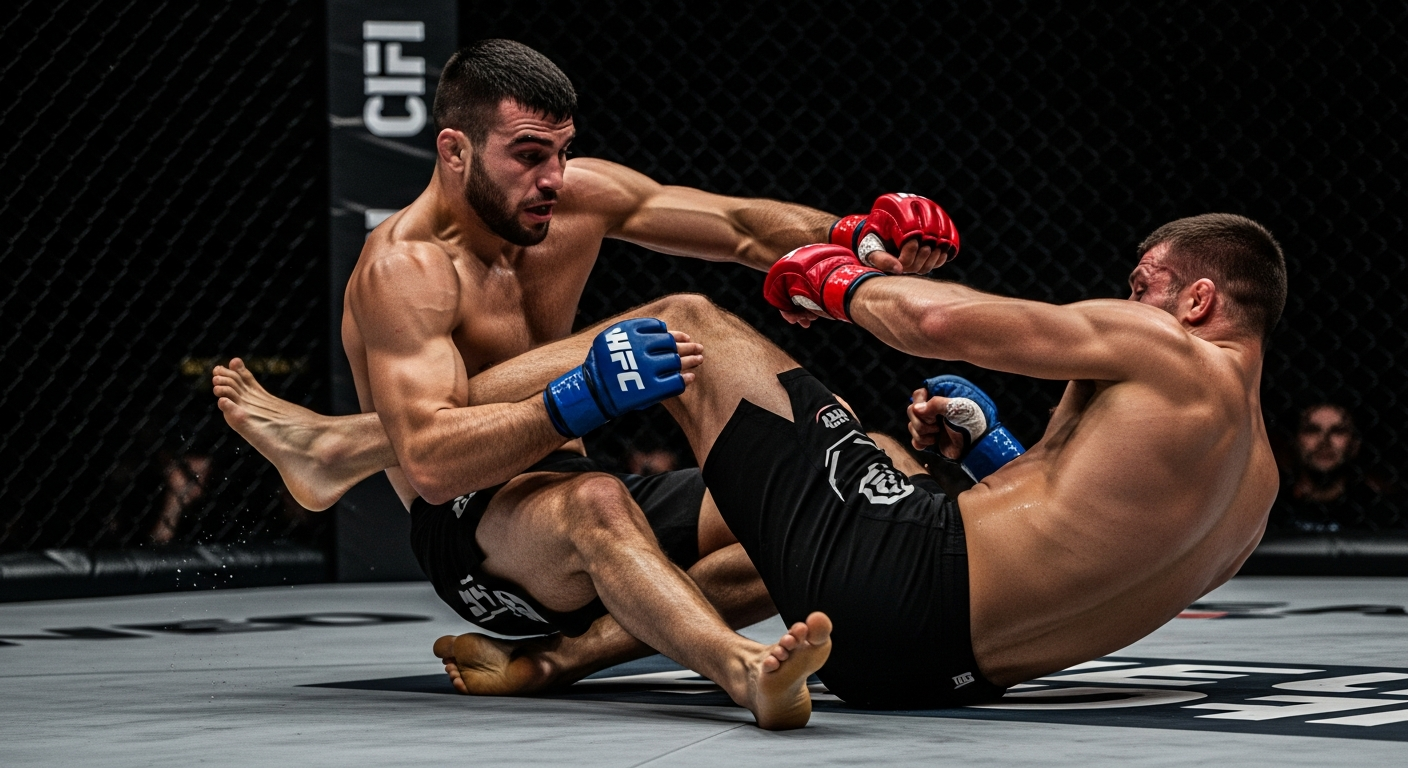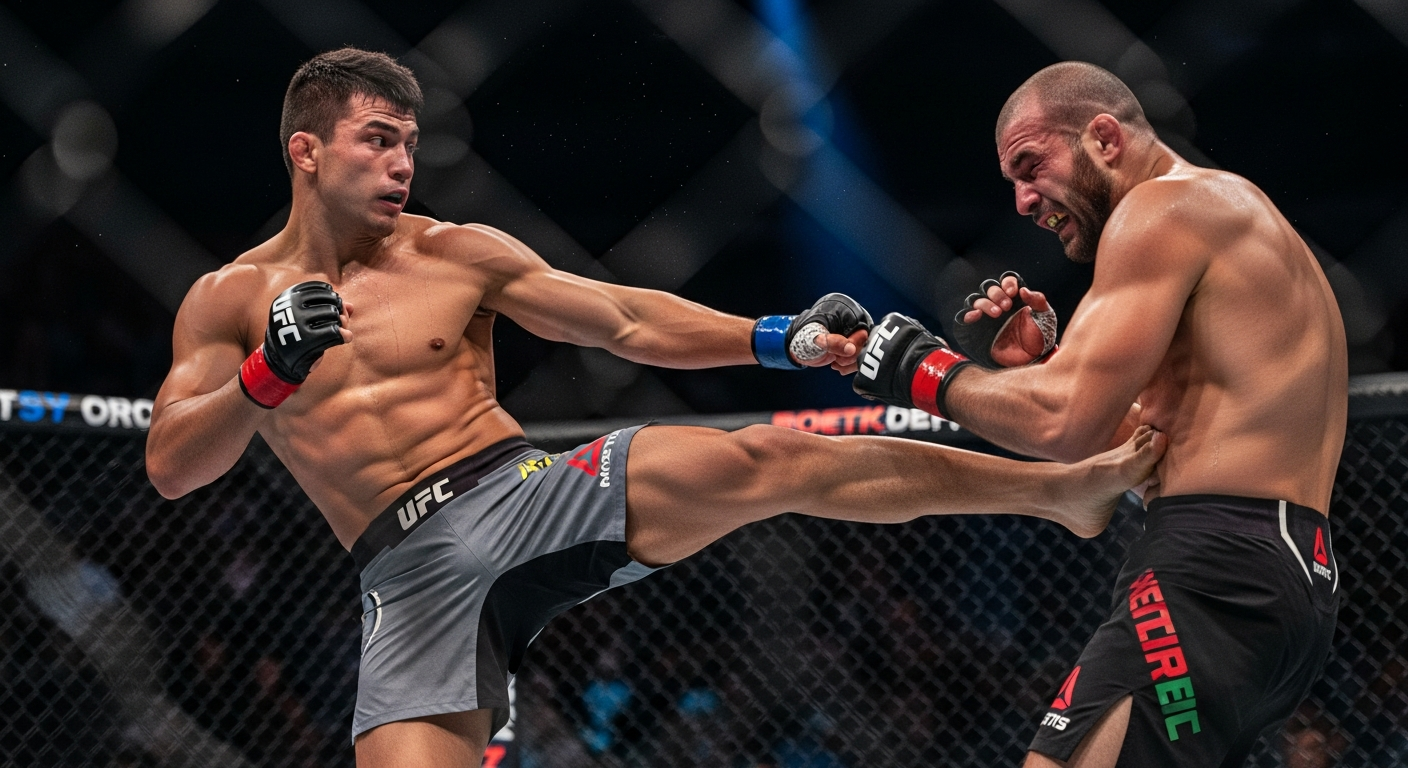
In the high-gloss highlight reels of modern mixed martial arts, we often fixate on the spinning heel kicks or the one-punch knockouts that make the rounds on social media. But for years, the true grist of the sport—the place where champions were made and souls were taken—was the clinch. And no one owned that space quite like Randy “The Natural” Couture. His application of dirty boxing MMA techniques revolutionized how fighters approached close-quarters combat, turning the cage fence from a boundary into a weapon.
While the term “dirty boxing” might conjure images of illegal back-alley brawls, in the context of professional fighting, it is a highly technical, grueling system of infighting. It requires the balance of a wrestler, the grit of a hockey enforcer, and the precision of a surgeon. This article dives deep into the mechanics of the Couture clinch, how Greco-Roman wrestling translates to striking damage, and why this style remains a critical tool for anyone serious about the sport.
Defining Dirty Boxing in MMA
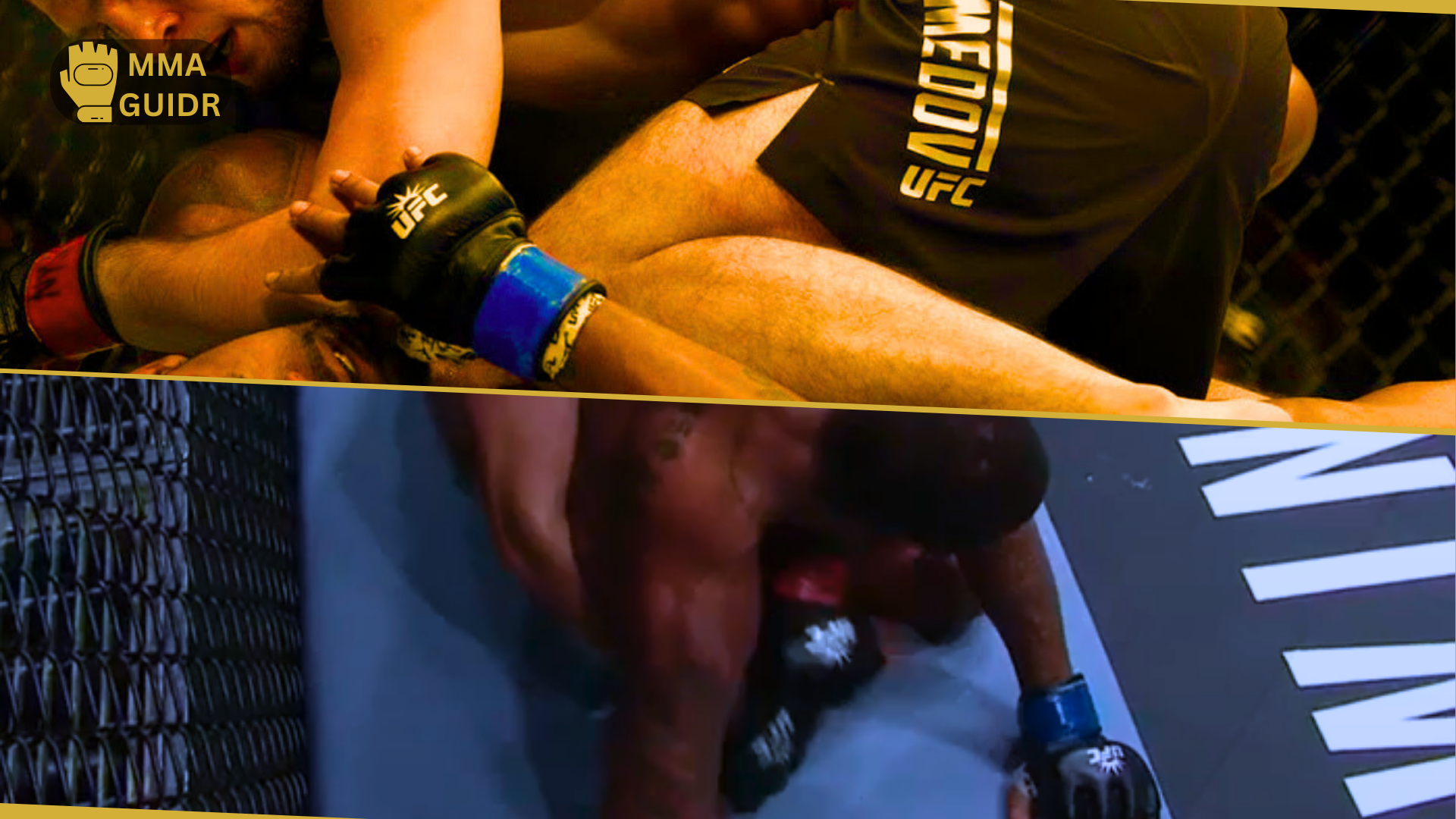
Dirty boxing MMA refers to the art of striking an opponent while clinching or holding them. Unlike traditional Queensberry rules boxing, where the referee separates fighters the moment they tie up, MMA allows the fight to continue in the “phone booth.” In this range, a fighter uses one hand to control the opponent’s posture (often gripping the back of the neck or controlling a bicep) while the free hand delivers short, punishing strikes—uppercuts, hooks, and elbows.
The goal isn’t just damage; it’s attrition. By hanging your weight on an opponent and forcing them to carry you while eating shots, you drain their gas tank significantly faster than you would striking at range. It turns a fistfight into a wrestling match with punches.
The Randy Couture Blueprint: Greco-Roman Roots
To understand why Randy Couture was so effective, you have to look at his base: Greco-Roman wrestling. Unlike folkstyle or freestyle wrestling, which allow attacks to the legs (like double-leg takedowns), Greco-Roman forbids holds below the waist. This forces competitors to become masters of upper-body leverage, pummeling for underhooks, and controlling the opponent’s torso.
When Couture transitioned to the UFC, he realized that this upright, chest-to-chest grappling style was perfect for the cage. While pure strikers panicked when grabbed, and pure grapplers desperately shot for legs, Couture stood tall. He would crash into his opponents, pin them against the chain-link, and unleash a style of dirty boxing that the sport hadn’t fully seen before.
The “Natural” Mechanics
Couture’s system can be broken down into three main components:
- The Underhook: This was Couture’s anchor. By digging an underhook (his arm under the opponent’s armpit), he could control their movement and prevent them from circling away.
- Head Position: Couture often pressed his forehead directly into his opponent’s chin or chest. This “third limb” kept his opponent upright and off-balance, pinning them to the fence without Couture needing to use excessive arm strength.
- The Hockey Punch: With one arm controlling the posture (often a collar tie or holding the wrist), Couture would rain down short, looped punches. They didn’t look like much on TV, but the cumulative damage of 50-60 shots to the ear and temple broke opponents mentally.
Case Study: Couture vs. Vitor Belfort 1 (UFC 15)
If you want to see the birth of effective dirty boxing MMA strategies, watch Randy Couture vs. Vitor Belfort at UFC 15. At the time, Belfort was the terrifying “Phenom,” a whirlwind of fast-twitch muscle and boxing speed. No one wanted to stand in front of him.
Couture didn’t. He didn’t run, either. He closed the distance immediately, clinching Belfort and neutralizing his hand speed. Once in the clinch, Couture used his Greco-Roman base to ragdoll the younger fighter, dragging him into deep waters. The finish came not from a massive haymaker, but from a relentless barrage of punches from the back clinch and top position. It was a masterclass in using grappling to facilitate striking, proving that a grinder could beat a sprinter.
The Weaponization of the Fence
One of the most overlooked aspects of the Couture style is the use of the environment. In a boxing ring, the ropes are flexible; you can lean back through them to escape pressure. In an MMA cage, the fence is unforgiving. It is a rigid wall.
Dirty boxing specialists use the fence as an anvil. They are the hammer. By pressing an opponent’s spine flat against the cage, you take away their ability to generate power. They can’t rotate their hips to throw a counter-hook. They can’t sprawl effectively to defend a takedown. They are stuck. Meanwhile, the attacker is free to rotate, switch angles, and land strikes. Couture was the master of this “wall-n-stall” with a violent twist—he never just stalled; he was always working.
The Mental Game of the Clinch
There is a psychological element to being dirty boxed. It is claustrophobic. When a man like Couture or Dan Henderson is leaning on you, covering your mouth with their hand (the “muffler”), and landing short elbows, panic sets in. Breathing becomes difficult. The arms fill with lactic acid. This is why many fighters who faced Couture seemed to “break” mid-fight. They weren’t just beaten physically; they were smothered.
Modern Evolutions: DC, Jones, and Volkanovski
While Couture laid the foundation, modern fighters have evolved the game. Daniel Cormier (DC), another Olympic wrestler, utilized a similar style in his trilogy with Stipe Miocic. DC’s dirty boxing was arguably faster and more explosive. He would use the single collar tie (grabbing the back of the head with one hand) to pull Stipe’s head down into devastating uppercuts. It was this exact technique that won him the heavyweight title in their first encounter.
Jon Jones offers a different variation. His dirty boxing involves less grinding and more leverage manipulation. He is famous for cranking shoulders in the clinch and using his long frame to land elbows that slice opponents open. He uses the clinch not just to tire opponents, but to inflict severe structural damage.
Even in the lower weight classes, we see shades of this. Alexander Volkanovski used relentless clinch pressure against Yair Rodriguez to neutralize the speed advantage, proving that the principles of Greco-Roman striking apply across all divisions.
Is Dirty Boxing “Dirty”?
New fans often ask if these techniques are against the rules. The answer is generally no, but they toe the line. “Dirty boxing” is a colloquial term, not a rulebook violation.
- Legal: Holding the back of the head with one hand and punching with the other.
- Legal: Pressing the forearm into the throat (framing) to create space.
- Illegal: Headbutting (though incidental contact happens often in the clinch).
- Illegal: Striking the back of the head (the mohawk line).
The best dirty boxers, like Couture, knew how to operate in the grey areas. They would make a head clash look accidental or use their shoulder to bump an opponent’s chin—technically legal, but undeniably gritty.
Training the Clinch: The Wall Walk
For those looking to incorporate this into their own training, the first step is becoming comfortable against the wall. A standard drill is the “pummeling” game, where two fighters alternate fighting for underhooks. To add the striking element, fighters wear 4oz MMA gloves and practice “tagging” the body and head lightly while maintaining control.
Another essential drill is the “Wall Walk.” The defender starts seated against the cage, and the attacker tries to keep them down. The defender must use the cage to “walk” their back up to a standing position. This simulates the scramble that often leads to the dirty boxing position. If you can’t get up, you can’t clinch. If you can’t clinch, you can’t dirty box.
Why It Matters Today
In an era of calf kicks and flying knees, the art of the clinch remains the great equalizer. It is the best way for a slower, stronger fighter to neutralize a faster, more athletic striker. It is the “old man strength” strategy that allowed Randy Couture to win the heavyweight title at age 45.
Dirty boxing is the reminder that MMA is not a point-fighting karate match. It is a fight. And in a fight, the person who controls the close quarters—the breath, the balance, and the blood—usually walks away with the hand raised.
FAQ
Is dirty boxing legal in the UFC?
Yes, dirty boxing is legal in the UFC and other major MMA organizations. The term refers to striking from the clinch (holding the opponent). However, specific actions like headbutts, eye pokes, and strikes to the back of the head are illegal.
What makes Randy Couture’s style different from Muay Thai?
Muay Thai clinch work (the Plum) typically focuses on controlling the head with both hands to land knees and elbows. Randy Couture’s style, rooted in Greco-Roman wrestling, focuses more on body locks, underhooks, and pinning the opponent against the fence to land short punches (uppercuts and hooks) while wearing them down with weight and pressure.
Can you learn dirty boxing without a wrestling background?
Absolutely. While a wrestling base helps with balance and leverage, the striking mechanics of dirty boxing can be learned by any striker. Boxers like Roberto Duran were famous for their “infighting,” which shares many principles with MMA dirty boxing, such as framing and short-range power.
Why is it called “dirty” boxing?
It gets the name because it involves tactics that are illegal in traditional boxing, such as holding the opponent while hitting them, using elbows, and roughhouse tactics like grinding the forearm into the face. It is “dirty” compared to the clean, separated striking of Queensberry rules.
Who is the best dirty boxer in MMA history?
Randy Couture is widely considered the pioneer and “godfather” of the style in MMA. However, modern fighters like Daniel Cormier, Jon Jones, and Glover Teixeira have also mastered the art, using it to dominate opponents at the championship level.