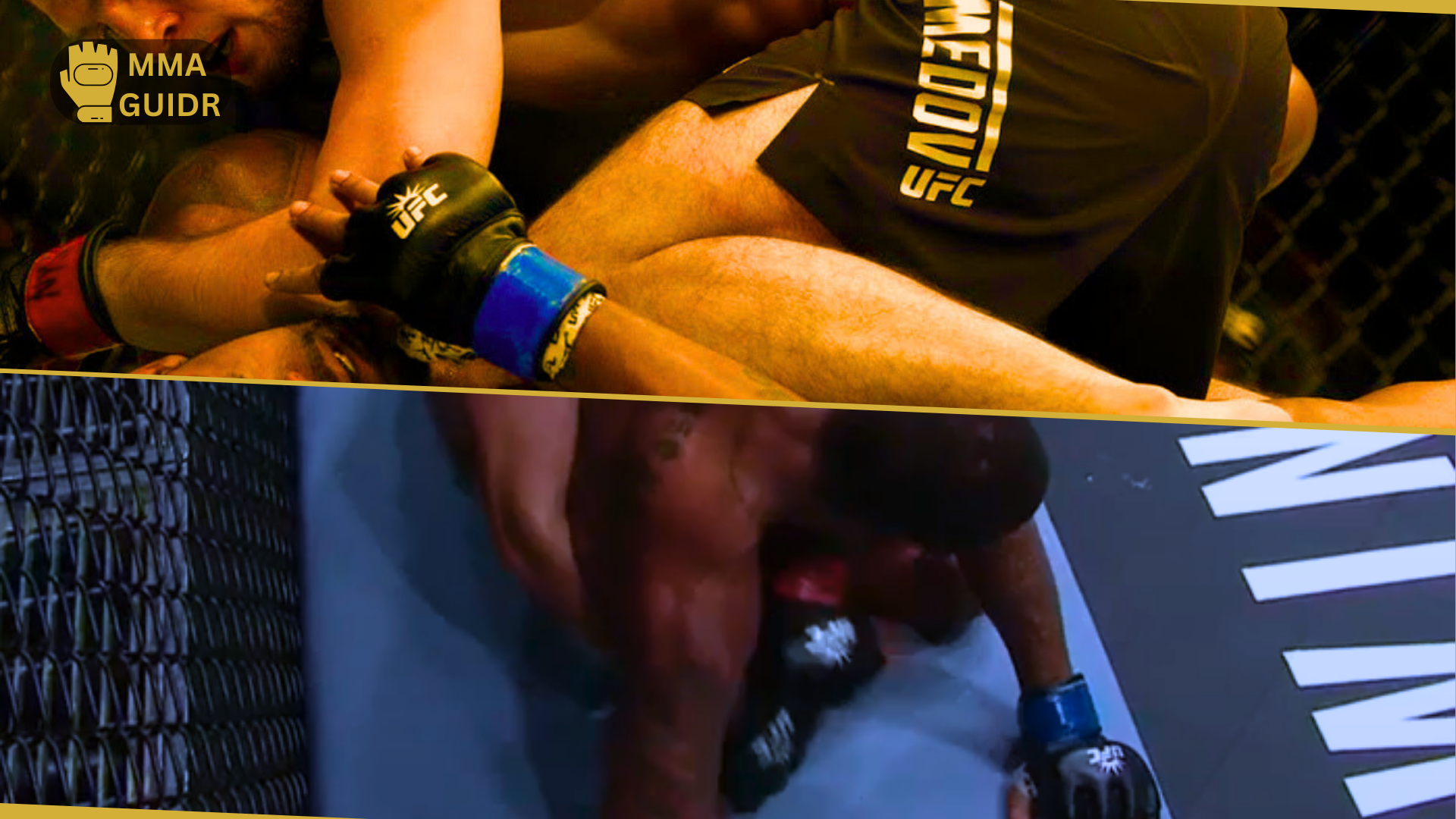
In the high-octane world of Mixed Martial Arts, few techniques command as much primal fear as the liver shot. Unlike a knockout to the chin, which often turns the lights out instantly, a strike to the liver leaves the fighter fully conscious but physically paralyzed. It is a unique form of agony that shuts down the body’s autonomic nervous system, forcing even the toughest warriors to crumble. For fans and practitioners alike, understanding the mechanics of this devastating strike reveals a deeper layer of strategy inside the Octagon.
The Science: Why the Liver?
The human liver is the largest internal organ, sitting on the right side of the abdomen, just below the diaphragm. What makes it a critical target in combat sports is its connection to the vagus nerve. This nerve acts as a highway between the brain and the body’s major organs.
When a fighter lands a clean shovel hook or roundhouse kick to the liver, the impact compresses the organ and stimulates the vagus nerve. This triggers an involuntary physiological response known as vasovagal syncope. The result? A sudden, catastrophic drop in heart rate and blood pressure. The brain, sensing this drop, forces the body into a horizontal position to restore blood flow to the head. This is why you often see a fighter take a shot, stand for a second, and then collapse in delayed agony. It is not a choice; it is biological shutdown.
The Arsenal: Weapons of Body Destruction
Landing a liver shot requires precision, timing, and specific angles. Since the liver is located on the right side of the body, the most common attacks come from the opponent’s left side (or a southpaw’s rear side).
1. The Left Hook (Shovel Hook)
This is the classic boxer’s weapon. Unlike a standard hook to the head, a liver hook—often called a “shovel hook”—is thrown at a 45-degree angle, digging upwards under the floating ribs. Bas Rutten, a legend of the sport, revolutionized this technique in MMA, famously using it to fold opponents in Pancrase and the UFC.
2. The Left Body Kick (Switch Kick)
For orthodox fighters, the switch kick is a staple. By quickly switching stances, a fighter can generate immense power with their left shin, driving it directly into the opponent’s right flank. This technique was masterfully used by Anthony Pettis to finish Donald “Cowboy” Cerrone, a finish that highlighted the raw stopping power of a clean shin-to-liver connection.
3. The Knee Strike
In the clinch, knees are devastating. A well-placed knee to the midsection can bypass the ribcage entirely. Alistair Overeem’s destruction of Brock Lesnar at UFC 141 is a prime example, where relentless knees to the body softened up the heavyweight giant before the final liver kick finished the job.
Legendary Liver Finishes in MMA History
Several fights have been defined by this single technique, earning their place in the annals of MMA history:
- Bas Rutten vs. Jason DeLucia: Perhaps the most famous example, Rutten ruptured DeLucia’s liver with a precise punch, showcasing the technique’s lethality.
- Jose Aldo vs. Jeremy Stephens: In a featherweight clash, Aldo landed a blistering body shot that froze Stephens, leading to a TKO victory and proving that the King of Rio was back.
- Brandon Moreno vs. Kai Kara-France: In their interim title fight, Moreno utilized a perfectly timed liver kick to fold Kara-France, demonstrating that flyweights possess knockout power in their legs.
Defense: Protecting the Button
Defending the liver requires strict discipline. The primary defense is the elbow tuck. Fighters must keep their right elbow glued to their ribs, especially when facing a dangerous left hooker or kicker. However, this opens up the head to high kicks, creating a deadly guessing game.
Another layer of defense is distance management and footwork. By circling away from the opponent’s power side (moving to the left against an orthodox fighter), a competitor can make the liver harder to reach. Yet, as the sport evolves, strikers are becoming better at setting traps, using head strikes to raise the guard before digging deep into the body.
Conclusion
The liver shot remains the great equalizer in MMA. It ignores chin durability, heart, and toughness. It is a reminder that the human body has reset buttons that, when pressed, override the will to fight. As striking levels in the UFC and other organizations continue to rise, the art of the body shot will undoubtedly produce more highlight-reel finishes and shocking upsets.
FAQ
Is a liver shot dangerous?
Yes, beyond the immediate pain and TKO loss, a severe liver shot can cause bruising, tearing, or even rupturing of the organ, though permanent damage is rare in regulated professional bouts.
Why is there a delayed reaction?
The delay occurs because the nerve signal travels to the brain and the subsequent drop in blood pressure takes a second or two to manifest physically, unlike the instant electrical shutdown of a brain concussion.
Can you condition your liver to take shots?
You can condition the abdominal muscles over the liver to absorb impact (using medicine balls, etc.), but the organ itself cannot be conditioned. If a shot slips under the ribs and hits the liver cleanly, no amount of situps will stop the reaction.