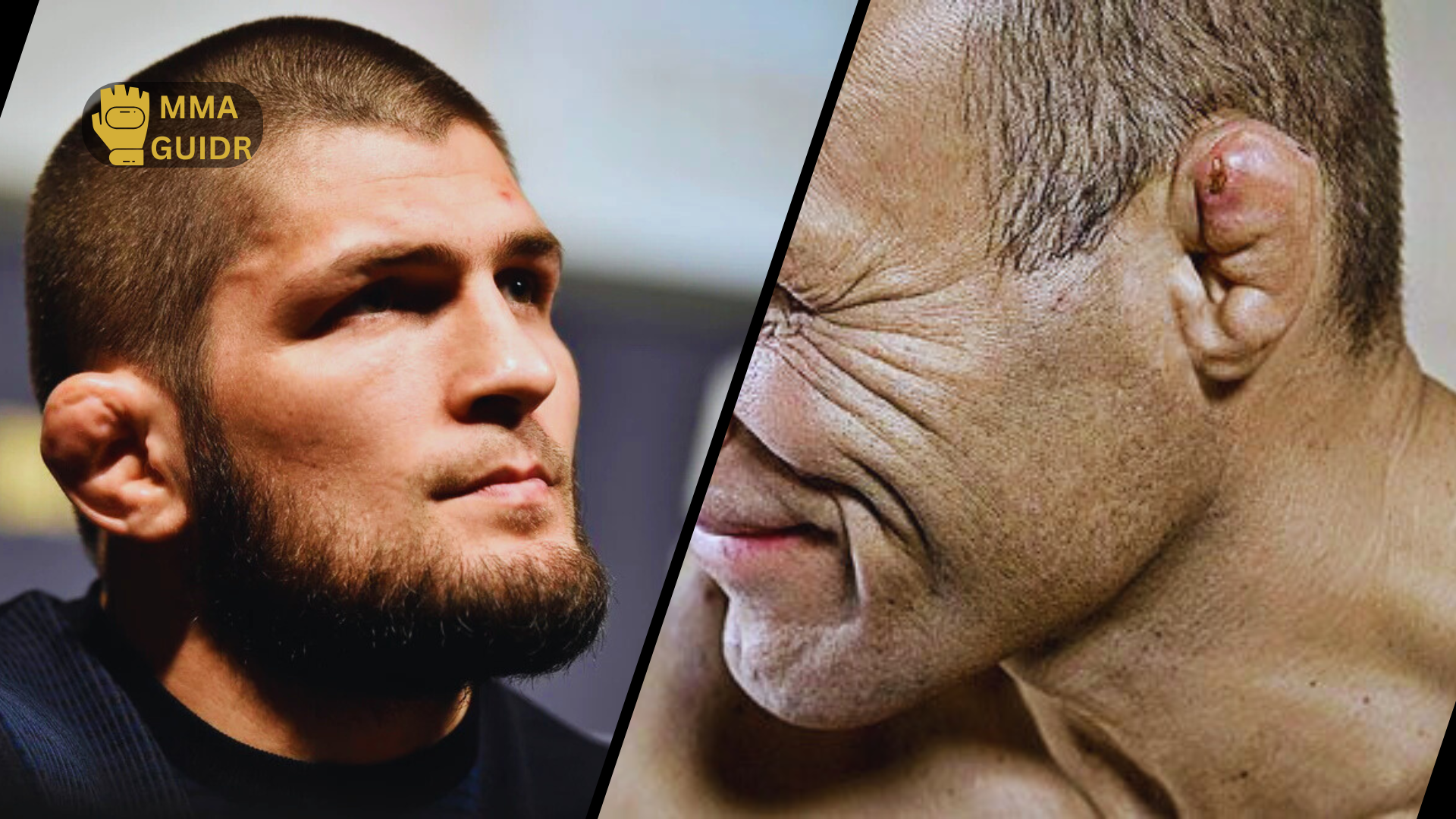
In the high-stakes world of Mixed Martial Arts (MMA), fighters spend months preparing for a 15 or 25-minute war. They endure grueling weight cuts, sparring injuries, and the mental pressure of stepping into a cage. But sometimes, the fight is over before it even begins—not because of a knockout punch or a slick submission, but because of a microscopic enemy lurking on the mats. Enter Staph infection, the silent “Gym Killer” that has derailed more careers and cancelled more main events than perhaps any other injury.
For fans following the sport on, seeing a fight card shuffled due to “illness” is a frustratingly common occurrence. Often, that vague medical reason hides a nasty battle with Staphylococcus aureus. From local BJJ academies in Estonia to the bright lights of the UFC, staph does not discriminate. It attacks champions and hobbyists alike, turning a small mat burn into a life-threatening emergency.
This article dives deep into the science of staph, the horror stories of fighters who looked death in the face, and the critical hygiene protocols every grappler must know to stay safe.
What is Staph Infection? The Science of the Superbug
Staphylococcus is a group of bacteria that about 30% of people carry in their noses or on their skin as part of their normal flora. Most of the time, it is harmless. However, in the environment of combat sports, the conditions are perfect for this bacteria to turn malicious.
Why MMA Fighters are Vulnerable:
- Skin-to-Skin Contact: Grappling involves constant friction, which transfers bacteria rapidly between training partners.
- Compromised Barriers: Mat burns, cuts, and scrapes act as open doors for the bacteria to enter the bloodstream.
- Immune Suppression: Hard training camps and severe weight cutting (dehydration) weaken a fighter’s immune system, making them less able to fight off infection.
- Warm, Humid Environments: Gyms are often sweaty and humid—a perfect breeding ground for bacteria.
The MRSA Threat
The most feared variation is MRSA (Methicillin-Resistant Staphylococcus Aureus). This strain has evolved to be resistant to many common antibiotics, making it incredibly difficult to treat. According to the Centers for Disease Control and Prevention (CDC), MRSA infections in athletes are a significant public health concern because they can spread rapidly through a team or gym.
The Horror Stories: When Staph Cancels the Show
To truly understand why staph is called the “Gym Killer,” we have to look at the history of the sport. Some of the toughest men and women on the planet have been brought to their knees by this infection.
The Tragedy of Kevin Randleman
Perhaps the most graphic and terrifying case in MMA history involved the late, great Kevin Randleman. A former UFC Heavyweight Champion known for his explosive athleticism, Randleman suffered a staph infection that nearly took his life. The infection entered his bloodstream and began shutting down his internal organs.
Photos from his recovery showed gaping holes in his side where surgeons had to remove infected tissue. Randleman later described the pain as worse than any fight he had ever been in. His case remains a grim reminder that if left untreated, staph can turn septic and become fatal.
Robert Whittaker’s Internal Battle
In 2018, former Middleweight Champion Robert Whittaker was forced to withdraw from UFC 221 in Perth. While initial reports cited an injury, it was revealed that Whittaker was battling a severe staph infection in his stomach. The infection was reportedly mistreated initially and began to affect his internal organs and chickenpox recovery.
“He’s in serious condition,” Dana White said at the time. “That stuff is life-threatening if not treated the right way.” Whittaker eventually recovered, but he lost months of his prime to the recovery process.
Dustin Poirier’s “Staph Foot” Scare
More recently, fan-favorite Dustin Poirier found himself hospitalized shortly after his war with Michael Chandler at UFC 281. Poirier posted photos of his severely swollen foot, captioning it, “Shit’s getting serious.” The infection was not responding to oral antibiotics, requiring him to be admitted for intravenous treatment. Had the infection spread to the bone (osteomyelitis), it could have resulted in permanent damage or even amputation.
Islam Makhachev’s UFC 302 Rumors
Before his title defense against Dustin Poirier at UFC 302, eagle-eyed fans noticed a suspicious mark on the leg of Islam Makhachev in promotional photos. Rumors swirled that the champion was compromised. Makhachev later confirmed that he had indeed battled a staph infection just weeks before the fight, forcing him to stop training for a week. While he won the fight, the visual of the infection became a major talking point, highlighting how common this issue is even at the elite level.
Signs & Symptoms: How to Spot the Infection
Early detection is the difference between a course of antibiotics and emergency surgery. Every grappler should know the signs:
- The “Spider Bite” Myth: Fighters often mistake a staph boil for a spider bite. If you have a red, painful bump but haven’t seen a spider, assume it’s staph.
- Redness and Warmth: The infected area will be red, hot to the touch, and often accompanied by swelling.
- Pus and Drainage: A white or yellow center may form (similar to a pimple but deeper and more painful).
- Pain Out of Proportion: The area will often feel far more painful than a regular bruise or scrape.
- Systemic Symptoms: Fever, chills, and fatigue are signs the infection is spreading to the blood (sepsis). Go to the ER immediately.
Prevention: Hygiene Protocols for BJJ and MMA Gyms
Preventing staph is a collective responsibility. It requires a “culture of cleanliness” in the gym. Here are the non-negotiable rules for keeping the mats safe:
1. The Golden Rule: Shower Immediately
The longer bacteria sits on your skin, the higher the chance it finds an entry point. Shower with soap immediately after training. Using an antibacterial soap (like those containing tea tree oil or chlorhexidine) can help, but the mechanical action of scrubbing is most important.
2. Wash Your Gear (Yes, Even the Belt)
There is an old myth in Brazilian Jiu-Jitsu that washing your belt “washes away the knowledge.” This is dangerous nonsense. Your belt is a cotton sponge for sweat and bacteria. Wash your gi, rashguards, shorts, and belt after every single session. Never reuse dirty gear.
3. Mat Hygiene
Gym owners must ensure mats are mopped with a hospital-grade disinfectant after every class. Wall pads should also be wiped down regularly, as bodies are constantly pressed against them during cage work.
4. Cover Your Wounds
If you have a fresh cut, scrape, or mat burn, it must be covered with tape or a bandage. Liquid bandage (New-Skin) is excellent for sealing small abrasions before training. If a wound cannot be covered securely, do not train.
5. Don’t Share Personal Items
Never share towels, razors, or soap. MRSA can survive on surfaces like towels for surprising lengths of time.
Treatment: What to Do If You Suspect Staph
If you find a suspicious bump, stop training immediately. Walking onto the mats with an active infection is the ultimate disrespect to your training partners. It puts their health and livelihoods at risk.
- See a Doctor: Do not try to diagnose it yourself. Go to a physician or urgent care.
- Do Not Squeeze It: Popping a staph boil can force the bacteria deeper into the tissue or bloodstream.
- Finish Your Antibiotics: If prescribed antibiotics, finish the entire course even if the infection looks better. Stopping early contributes to antibiotic resistance.
- Mark the Boundary: Draw a circle around the redness with a pen. If the redness expands past the line, the infection is spreading, and you need further medical attention.
Conclusion: Respect the Danger
MMA is a sport built on toughness, but ignoring a skin infection isn’t tough—it’s negligent. Staph infection is a formidable opponent that doesn’t follow the Unified Rules. It attacks when you are weak and can take everything from you: your fight purse, your ranking, and even your life.
By maintaining strict hygiene standards and recognizing the symptoms early, we can keep the mats safe and ensure that the only fights happening are the ones scheduled in the cage. For more updates on fighter health and upcoming events, keep it locked to MMAailm.ee.
Frequently Asked Questions (FAQ)
Is staph infection contagious?
Yes, highly. Staph spreads easily through direct skin-to-skin contact or by touching contaminated surfaces like mats, towels, or gym equipment. This is why training with an active infection is strictly forbidden.
How long does it take to recover from staph?
Recovery time depends on the severity. A mild skin infection treated early with antibiotics may heal in 7-10 days. However, deep abscesses or systemic infections like the one Kevin Randleman suffered can take months to heal and may require surgery.
Can I train if I cover the infection?
No. Even with a bandage, sweat can cause the dressing to slip or become saturated, allowing bacteria to leak onto the mats or partners. You should only return to training once a doctor has cleared you and the wound is fully closed.
Does tea tree oil kill staph?
Tea tree oil has natural antibacterial properties and can be a useful preventative measure in body wash (like Defense Soap). However, it is not a cure for an established staph infection. If you have an infection, you need medical treatment, not just essential oils.
Why is staph so common in BJJ and wrestling?
Grappling sports involve more sustained skin-to-skin contact than striking arts like boxing. The combination of friction (causing micro-abrasions) and sweat creates the ideal environment for bacteria to transfer and thrive.