In the high-stakes world of Mixed Martial Arts (MMA) and grappling, few physical traits are as instantly recognizable as the cauliflower ear. For some, those swollen, misshapen folds of cartilage are a badge of honor—a gritty testament to years of grinding on the mats. For others, it is a disfiguring medical condition that carries stigma, pain, and long-term health risks. Whether you view it as a warrior’s trademark or a preventable injury, understanding auricular hematoma is essential for anyone stepping into a cage or onto a wrestling mat.
Walk into any high-level gym—from the wrestling rooms of Randy Couture to the Sambo mats of Dagestan—and you will see ears that look less like human anatomy and more like a vegetable. But what exactly is happening under the skin? Is it dangerous? And if you are a young fighter in Europe or Estonia just starting your journey, should you wear headgear or embrace the grind?
This comprehensive guide dives deep into the science, culture, and management of cauliflower ear. We will break down exactly how to drain it (safely), how to prevent it, and why elite fighters like Khabib Nurmagomedov wear it with pride while doctors warn of the consequences.
The Science of the Swell: What is Cauliflower Ear?
To treat or prevent a condition, you must first understand the anatomy. The human ear is primarily composed of cartilage, a flexible connective tissue that gives the ear its shape. Unlike muscle or skin, cartilage has no direct blood supply. Instead, it relies on the perichondrium—a thin layer of tissue covering the cartilage—to deliver nutrients and oxygen via blood vessels.
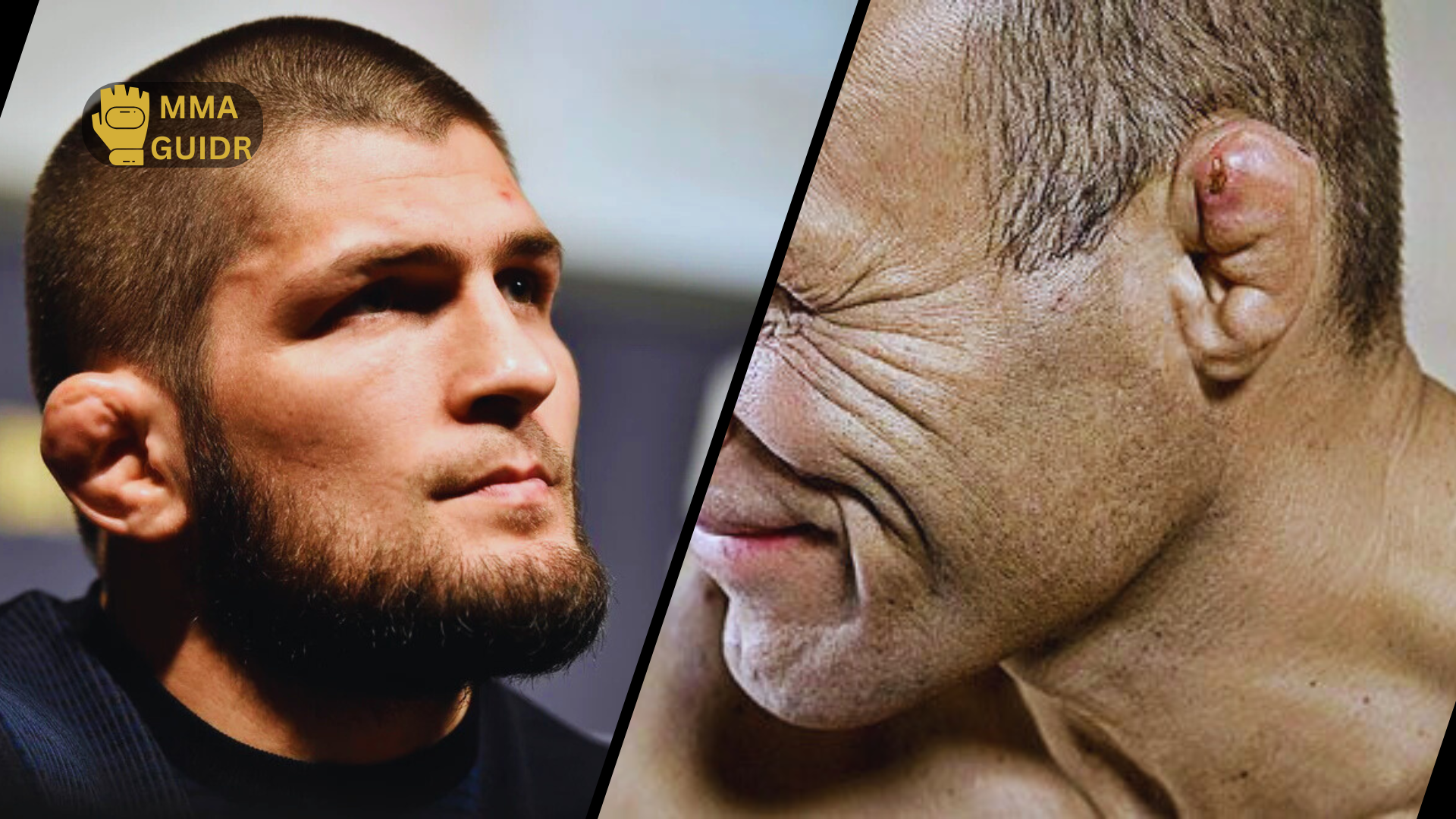
Cauliflower ear, medically known as an auricular hematoma, occurs when blunt trauma or extreme friction causes the perichondrium to separate from the underlying cartilage. This separation creates a pocket that rapidly fills with blood. The result is twofold:
- Immediate Damage: The pooled blood (hematoma) acts as a barrier, starving the cartilage of the nutrients it needs to survive.
- Long-Term Deformity: If the blood is not drained and the layers are not recompressed quickly, the cartilage dies (necrosis). The body responds by producing fibrous scar tissue, which hardens into the lumpy, calcified mass we recognize as cauliflower ear.
This process can happen in a split second during a takedown defense or accumulate slowly over months of grinding in a tight headlock. Once the cartilage hardens—typically within 7 to 10 days—the deformity is permanent and can only be corrected through cosmetic surgery.
Badge of Honor vs. Medical Liability
The Warrior’s Perspective
In the combat sports community, especially in wrestling and Brazilian Jiu-Jitsu (BJJ), cauliflower ear often commands respect. It signals to opponents, “I have spent thousands of hours in the trenches.” Fighters like Conor McGregor and heavyweights like Randy Couture have sported these injuries on the world stage, normalizing the look for millions of fans.
For many grapplers, pristine ears are a sign of a novice. The hardened ear is a visual warning that the owner knows how to sprawl, grind, and suffer. In some circles, aspiring fighters even try to induce the injury to gain “street cred,” a practice highly discouraged by medical professionals.
The Medical Reality
Despite the romanticization, the condition carries real risks beyond aesthetics. The Cleveland Clinic notes that untreated auricular hematomas can lead to serious complications:
- Hearing Loss: Severe swelling can occlude the ear canal, physically blocking sound waves. Additionally, the structural changes can alter how sound is funneled into the ear.
- Infection Risk: The pooled blood is an ideal breeding ground for bacteria. If an infection sets in (perichondritis), it can spread to the cartilage and surrounding tissues, potentially requiring intravenous antibiotics or surgery.
- Practical Inconveniences: It might sound trivial, but severe cauliflower ear makes wearing standard earbuds or hearing protection impossible. As fighters age, this quality-of-life issue becomes more annoying.
Prevention: The First Line of Defense
The old adage “an ounce of prevention is worth a pound of cure” holds true here. While you cannot completely eliminate the risk without quitting the sport, you can drastically reduce it.
1. Protective Headgear (Ear Guards)
The most effective method is wearing headgear. While mandatory in collegiate wrestling (NCAA), it is rarely seen in professional MMA or submission grappling competitions unless the fighter is nursing an active injury. Modern headgear is lightweight and less intrusive than the bulky models of the past.
Pros: nearly 100% effective at preventing friction and impact injuries.
Cons: Can make escaping tight chokes (like guillotines) harder due to the added bulk; reduces head sensitivity; often considered “uncool” in BJJ culture.
2. Technical Awareness
Your style of fighting dictates your risk. Fighters who rely heavily on grinding takedowns or who frequently pull their heads out of guillotines using brute force rather than technique are at higher risk. Learning to “flow” with positions rather than ripping your ears through friction points can save your cartilage. Recall how technical grapplers often avoid damage by moving their bodies around the headlock rather than pulling the head straight out.
Protocol: Draining and Treatment
Disclaimer: The following information is for educational purposes only. Always consult a medical professional for treatment. Improper drainage can lead to severe infection.
If you sustain a blow to the ear and feel that characteristic hot, fluid-filled swelling, the clock is ticking. You have roughly 24 to 48 hours to treat the hematoma before the blood begins to clot and harden. Here is the standard protocol used by sports medicine professionals.
Step 1: Aspiration (Draining)
The fluid must be removed to allow the skin to reattach to the cartilage. Doctors typically use a sterile needle and syringe to aspirate (suck out) the blood. WebMD explains that simple drainage is often insufficient because the pocket will refill if compression is not applied immediately.
Step 2: Compression (The Critical Step)
This is where most fighters fail. Draining the ear is easy; keeping it flat is hard. Once the blood is out, you must apply pressure to sandwich the skin back against the cartilage. Without pressure, the pocket acts like a void, sucking fluid back in within hours.
Common Compression Methods:
- Magnets: Specialized neodymium magnets (often wrapped in silicone) are placed on the front and back of the ear to pinch the layers together. This is a popular modern method for BJJ practitioners.
- Bolsters/Sutures: A doctor may stitch a small roll of gauze (a bolster) directly through the ear to hold the skin down. This is the “gold standard” for ensuring the ear heals flat.
- Silicone Putty: Some fighters use custom-molded silicone earplugs to maintain the shape of the inner ear while healing.
Step 3: Rest
This is the hardest pill to swallow. To heal properly, the ear needs at least 7 to 10 days free from trauma. Returning to the mats too early—even with headgear—often causes the hematoma to return, sometimes larger than before.
Famous Case Studies in MMA
Nothing illustrates the reality of cauliflower ear better than the fighters themselves. Their ears tell the story of their careers.
Leslie Smith’s “Exploding” Ear
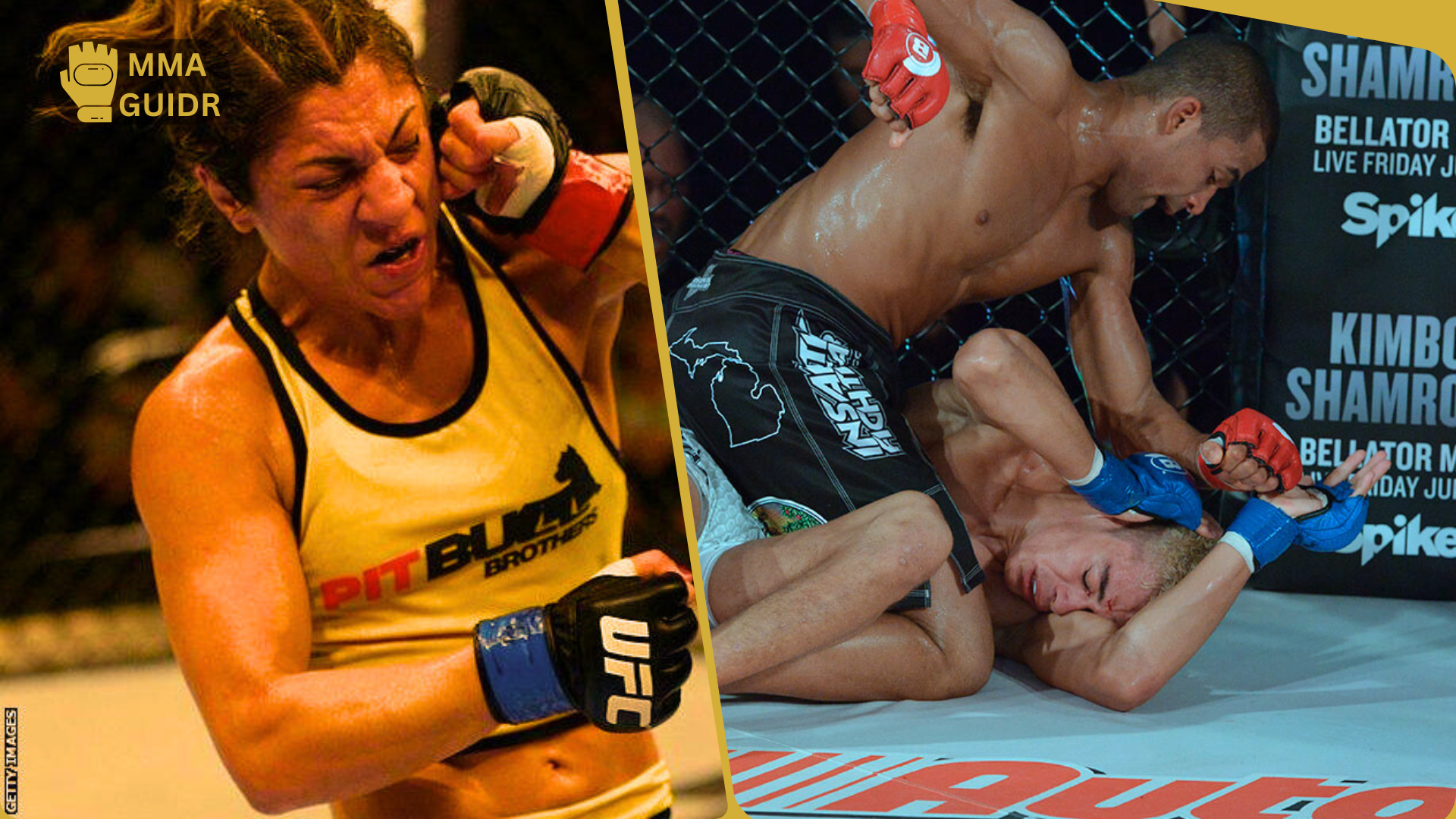
At UFC 180, bantamweight Leslie Smith fought Jessica Eye with a massive, pre-existing cauliflower ear. During the fight, a right hand from Eye connected directly with the swollen ear, causing it to burst open. Blood sprayed across the octagon, and the ear was left hanging by a thread. The fight was stopped, and it served as a gruesome reminder of why draining and resting properly is crucial.
Ramiz Brahimaj’s Detachment
In a similar vein, UFC fighter Ramiz Brahimaj suffered a horrific injury where his ear was nearly severed from his head by an elbow strike. While not strictly a hematoma explosion, the structural integrity of the ear was compromised by years of grappling wear and tear, making the tissue more vulnerable to catastrophic failure.
Khabib Nurmagomedov
The undefeated lightweight champion sports classic wrestler’s ears. For Khabib Nurmagomedov, his ears are a symbol of his Dagestani heritage and the grueling Sambo training that defined his dominance. He has never sought to hide or fix them, reinforcing the “badge of honor” narrative that prevails in Eastern European combat sports culture.
The Estonian & European Context
In Estonia, where Greco-Roman wrestling has a deep cultural history—think of legends like Kristjan Palusalu—cauliflower ear is a familiar sight. Local clubs like Englas in Tartu or various MMA gyms in Tallinn produce grapplers who face these exact issues. For the European athlete, access to medical care is generally good, meaning there is little excuse for neglecting a fresh hematoma. Unlike in some regions where fighters might drain ears in locker rooms with questionable hygiene, European fighters should leverage the availability of sports clinics to prevent infection.
Final Verdict: To Drain or Not to Drain?
Ultimately, the decision rests with the fighter. If you are a hobbyist who needs to look professional for a client meeting on Monday, cauliflower ear is a medical risk to be avoided at all costs. Wear the headgear. If you are an aspiring pro chasing the UFC dream, you might view it as inevitable collateral damage.
However, the smart money is on management. You don’t have to have pristine ears, but you shouldn’t have painful, infected ones that hinder your hearing. Learn to identify the early signs—heat, tenderness, redness—and treat them aggressively. Your future self, trying to put in AirPods at age 40, will thank you.
FAQ: Common Questions About Cauliflower Ear
Is cauliflower ear dangerous?
While primarily a cosmetic deformity, it can be dangerous if infected. An infected hematoma (perichondritis) can destroy the cartilage and cause systemic illness. In severe cases, the swelling can block the ear canal and cause hearing loss.
Can cauliflower ear be fixed?
Once the cartilage hardens (usually after 2 weeks), it cannot be drained. It requires plastic surgery (otoplasty) to shave down the scar tissue and reconstruct the ear shape. This is a common procedure for retired fighters.
How long does it take for cauliflower ear to harden?
The blood typically begins to clot and organize into fibrous tissue within 7 to 10 days. If you do not drain it within this window, the deformity becomes permanent.
Does headgear guarantee prevention?
Headgear is the most effective prevention method, reducing the risk of friction and impact significantly. However, it is not 100% foolproof, as ill-fitting gear can sometimes rub against the ear, causing irritation.
Why do some fighters drain their own ears?
Many fighters drain their own ears due to convenience, cost, or lack of immediate medical access. However, this is highly discouraged by doctors due to the high risk of infection (MRSA) and the likelihood of the hematoma returning without professional compression techniques.