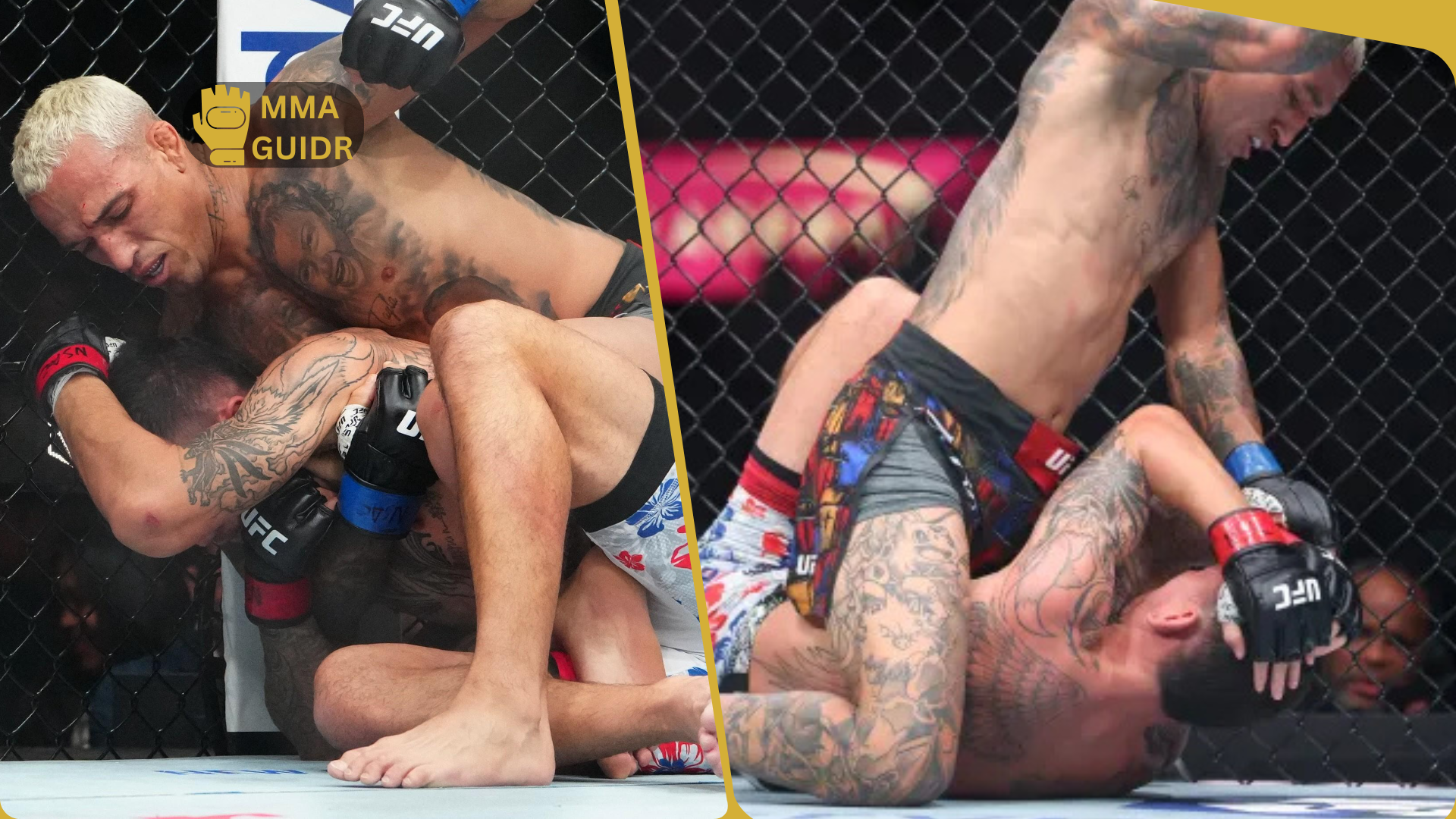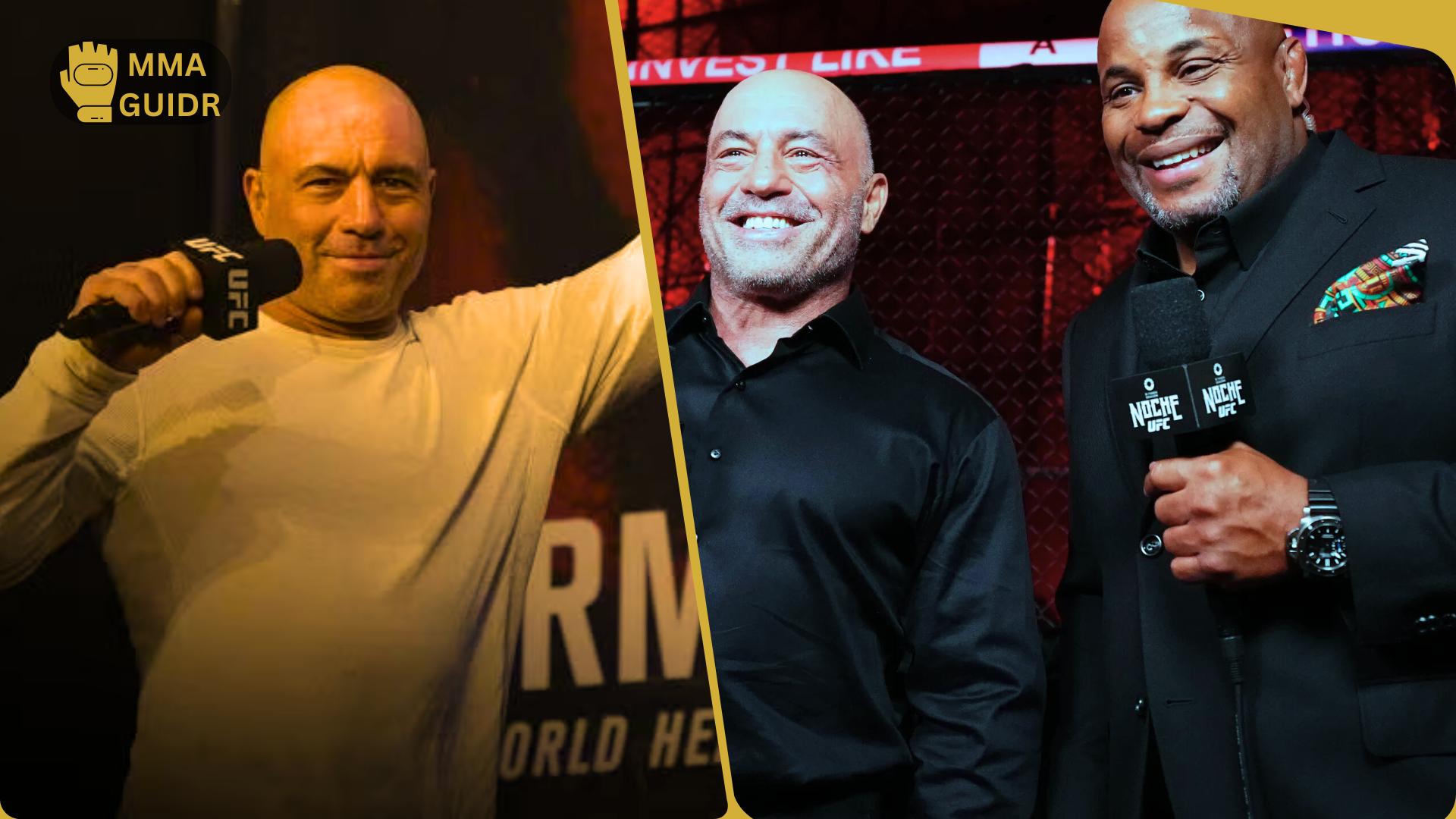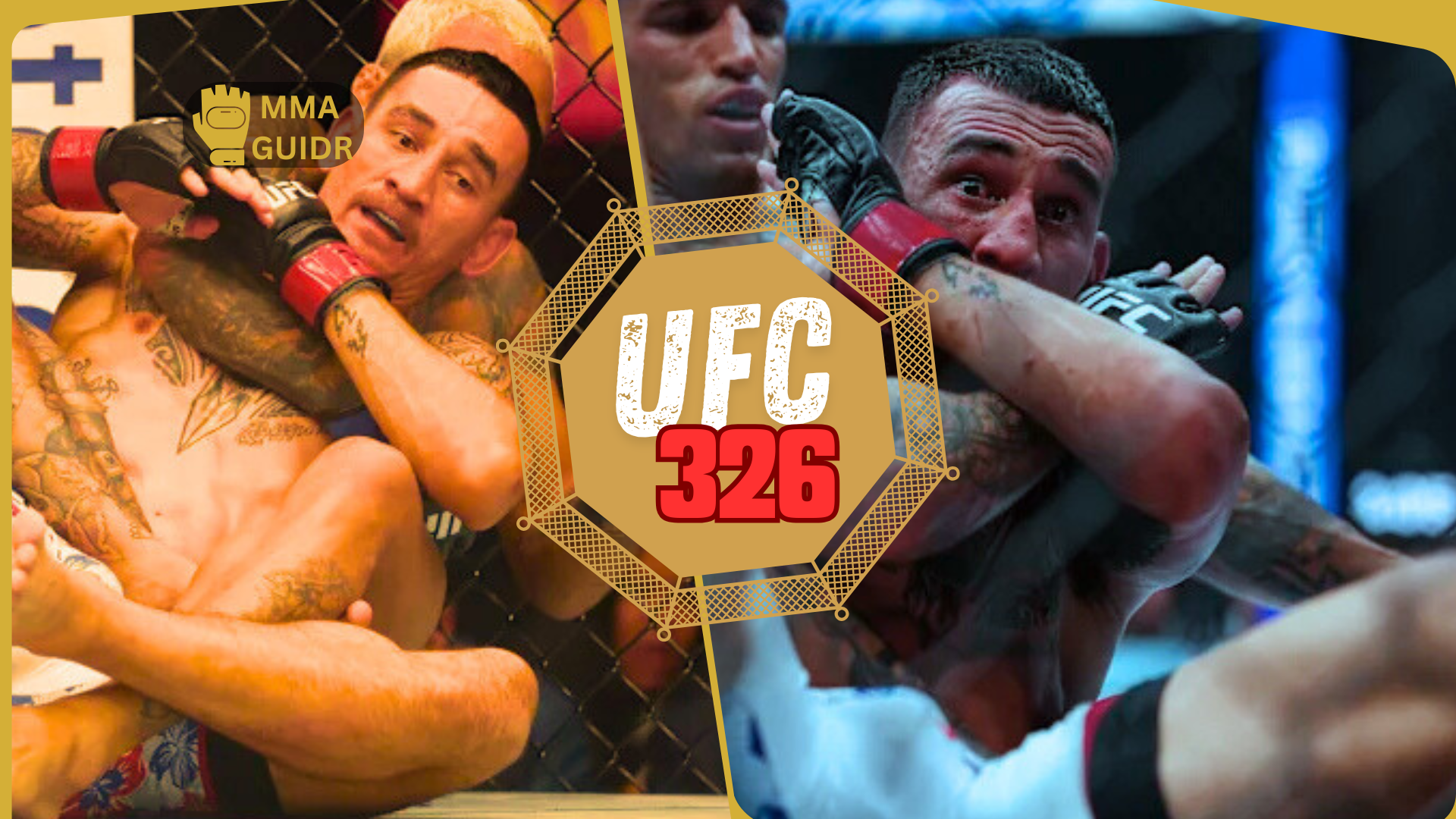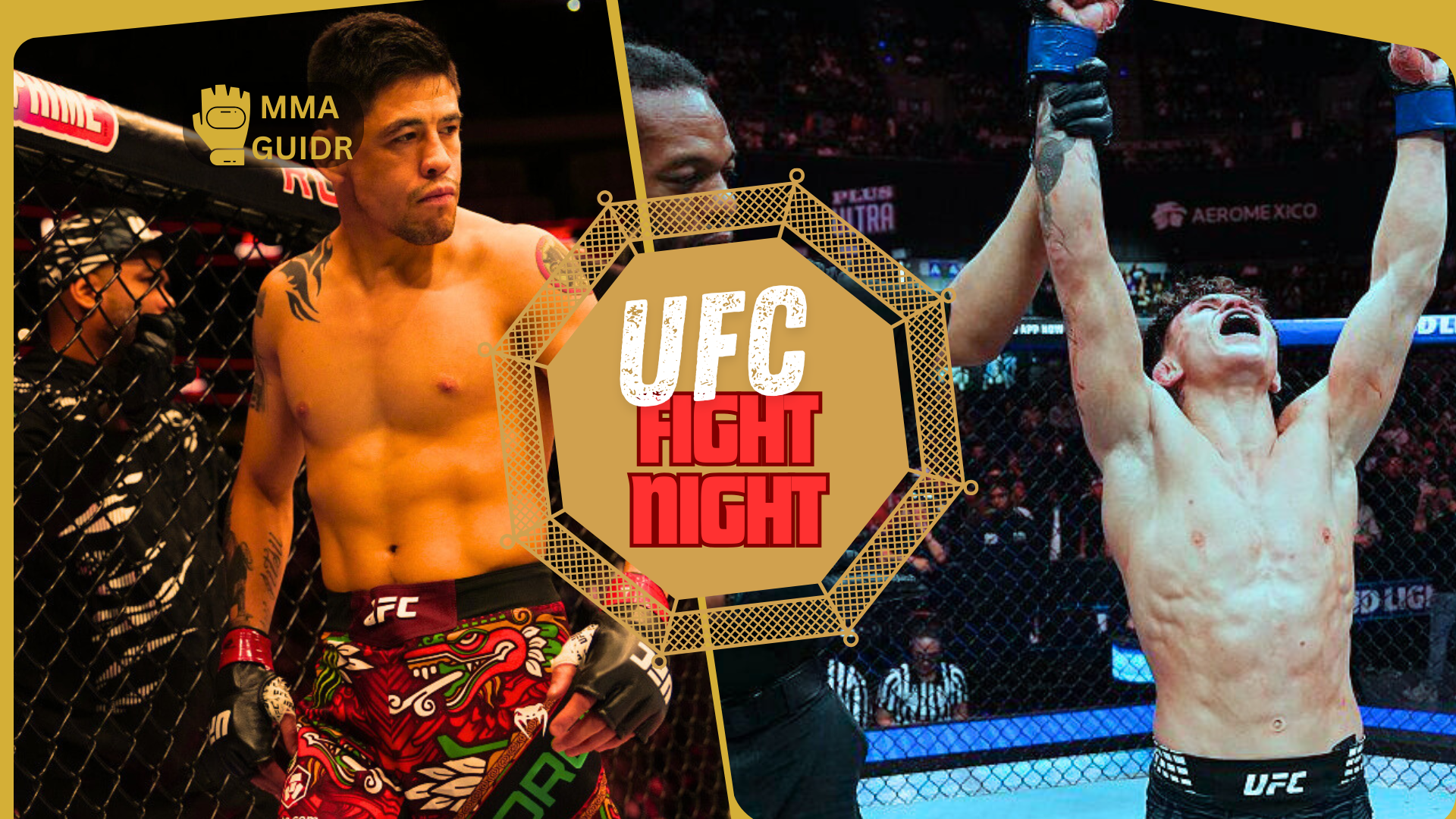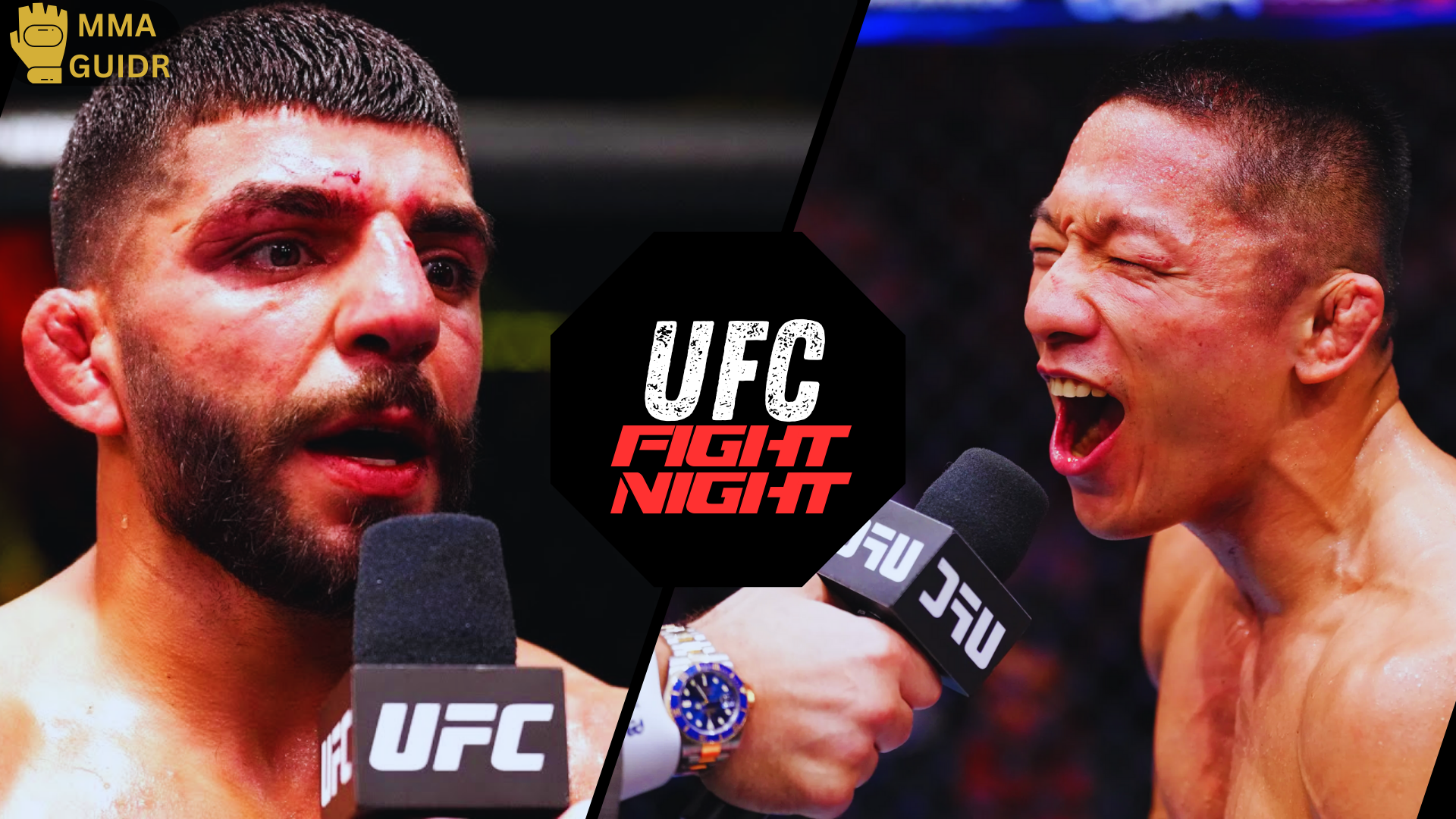
The boos began in the third round. By the fourth, they were deafening. And by the time the final horn sounded at the T-Mobile Arena for the main event of UFC 326, the crowd’s frustration was palpable. Yet, on the broadcast, Joe Rogan was quick to pivot to a familiar defense mechanism: blaming the audience.
“These fans just don’t understand the intricacies of the ground game,” Rogan muttered as Charles Oliveira secured yet another minute of control time against Max Holloway. “If you’re booing this, you’re a casual. You don’t appreciate high-level martial arts.”
It’s a line we’ve heard a thousand times, but on this specific night—March 7, 2026—it rang hollow. Why? Because this wasn’t just a standard title fight. This was for the BMF Championship. The “Baddest Motherf*cker” belt. A title explicitly marketed on violence, grit, and the willingness to “die on your shield.”
When the UFC sells a fight based on the promise of a blood-and-guts war and delivers 25 minutes of positional neutralization with minimal damage, the paying customer has a right to be upset. The backlash following UFC 326: Holloway vs. Oliveira 2 isn’t about fans rejecting MMA; it’s about fans rejecting false advertising.
The BMF Promise vs. The Grappling Reality
To understand the anger, we have to look at what the BMF title represents. It was born from a specific moment: Nate Diaz calling out Jorge Masvidal. It was cemented by Justin Gaethje’s head kick of Dustin Poirier. It was defended by Max Holloway in a legendary slugfest against Poirier at UFC 318. The lineage of the belt suggests a specific type of combat.
The BMF belt is not the Undisputed Lightweight Championship. It is not about being the most “complete” martial artist who can exploit a ruleset to win a decision. It is a symbolic prize for the legends of the sport who prioritize finishing the fight over winning the round.
Oliveira’s Strategy: Smart, but Not BMF
Charles Oliveira fought a brilliant tactical fight. Recognizing Holloway’s superior boxing volume, he utilized calf kicks to limit mobility and then immediately shot for takedowns. Once on the ground, he didn’t posture up for the kind of devastating ground and pound that finishes fights. Instead, he prioritized control, staying heavy on top to drain Holloway’s gas tank.
Is this effective MMA? Absolutely. Oliveira neutralized one of the best strikers in history. But did it fulfill the marketing promise of a BMF fight? No. It was the antithesis of the violence the UFC promo team had been splicing into highlight reels all week.
The “Casual” Insult: A Lazy Defense
Joe Rogan’s default reaction to crowd dissatisfaction is to label them “casuals.” The implication is that if you were really educated on the sport, you would be enthralled by a fighter holding another fighter in half-guard for four minutes. But this argument ignores the evolution of the fanbase.
It is not 1993 anymore. The average UFC fan knows what a double-leg takedown is. They understand the danger of a rear-naked choke. They respect the Muay Thai clinch. The fans at UFC 326 weren’t booing because they didn’t understand what Oliveira was doing; they were booing because they understood it perfectly—and they found it wrong.
There is a massive difference between active grappling—passing guard, hunting submissions, landing elbows—and “lay-and-pray.” Even the Unified Rules of MMA prioritize “Effective Grappling” (which requires impact or submission threats) over simple position holding. By labeling valid criticism as ignorance, Rogan alienates the very people who pay the exorbitant ticket prices to keep the sport alive.
Technical Appreciation vs. Entertainment Value
Let’s look at the disconnect between commentary and reality. Rogan and his booth partners often get lost in the micro-battle: the hand-fighting, the weight distribution, the subtle wrist control. While fascinating to practitioners, this does not always translate to a viewing experience, especially in a main event slot.
Recall Max Holloway’s previous BMF defense. He pointed to the floor and swung for the fences in the final ten seconds. That is the energy the belt carries. When the fight turns into a wet blanket session, the commentary team has a responsibility to acknowledge the stall. Instead, we heard:
“This is master class control by Oliveira. He is completely shutting Max down.”
True statement. But the follow-up should have been:
“However, he isn’t doing any damage, and the referee needs to consider standing them up if he doesn’t work to improve position.”
Without that balance, the commentary feels like gaslighting. It tells the audience, “What you are seeing (inaction) is actually amazing, and you are wrong for wanting action.”
Marketing Disconnect: You Can’t Sell Fire and Deliver Ice
The core issue here is the gap between the event promotion and the product delivered. If this were a title eliminator between two wrestlers, the marketing would have focused on “clashing styles” or “grappling supremacy.” Fans would have adjusted their expectations.
But this was the BMF belt. The promo packages featured blood, knockouts, and “brawls.” The UFC explicitly sold this as a striking war. When Oliveira chose to take the path of least resistance (a smart career move, undoubtedly), he inadvertently highlighted the flaw in the BMF concept: You cannot force fighters to brawl if one of them decides to wrestle.
For more on the history and expectations of this specific title, read our deep dive on what’s at stake in BMF fights.
Conclusion: Listen to the Paying Customer
Joe Rogan is a legend of the sport, and his technical knowledge is vast. But his dismissal of the UFC 326 crowd was a miss. The fans aren’t “casuals” for wanting a fight to look like a fight. They are consumers who bought a ticket to a rock concert and got a jazz recital.
Mixed Martial Arts is a sport, but the UFC is an entertainment business. When the “Baddest Motherf*cker” title is contested with safe, low-risk control positions, the brand of that belt is damaged. And when the voice of the UFC tells the fans they are wrong for noticing, it only deepens the divide.
As we look toward the future of the division (see our 2026 Champions Outlook), the UFC may need to rethink how they book BMF fights—or at least, how they commentate on them when the action hits the floor.
FAQ: MMA Commentary and Fan Expectations
1. What does “Casual” mean in MMA terms?
A “casual” is a derogatory term used by hardcore fans or pundits to describe viewers who only watch big events (like McGregor or Jones fights) and supposedly lack a deep understanding of grappling or strategy. However, it is often overused to dismiss valid criticism of boring fights.
2. Why do fans boo grappling?
Fans generally don’t boo grappling itself; they boo stalling. If a fighter is slamming opponents, passing guard, or hunting for submissions (like in guillotine choke sequences), fans usually cheer. They boo when a fighter holds a position to run out the clock without attempting to finish.
3. How does MMA scoring judge grappling control?
Under the current rules, “Effective Grappling” is the top priority. This is defined by the impact of the grappling (damage or submission threats). Simply holding someone down (“Control Time”) is a secondary criteria that judges are only supposed to consider if the striking and grappling impact are dead even. For a full breakdown, check out our guide on MMA Scoring and Judging.
4. Is the BMF Belt an official UFC title?
No, it is a symbolic title. It does not carry the same weight as a divisional championship (like the Lightweight or Welterweight strap). It is awarded to fan-favorite fighters known for their exciting styles and durability.
5. Can a referee stand fighters up?
Yes. If the referee determines that neither fighter is working to improve their position or do damage, they can restart the fight on the feet. This is subjective and varies by referee.