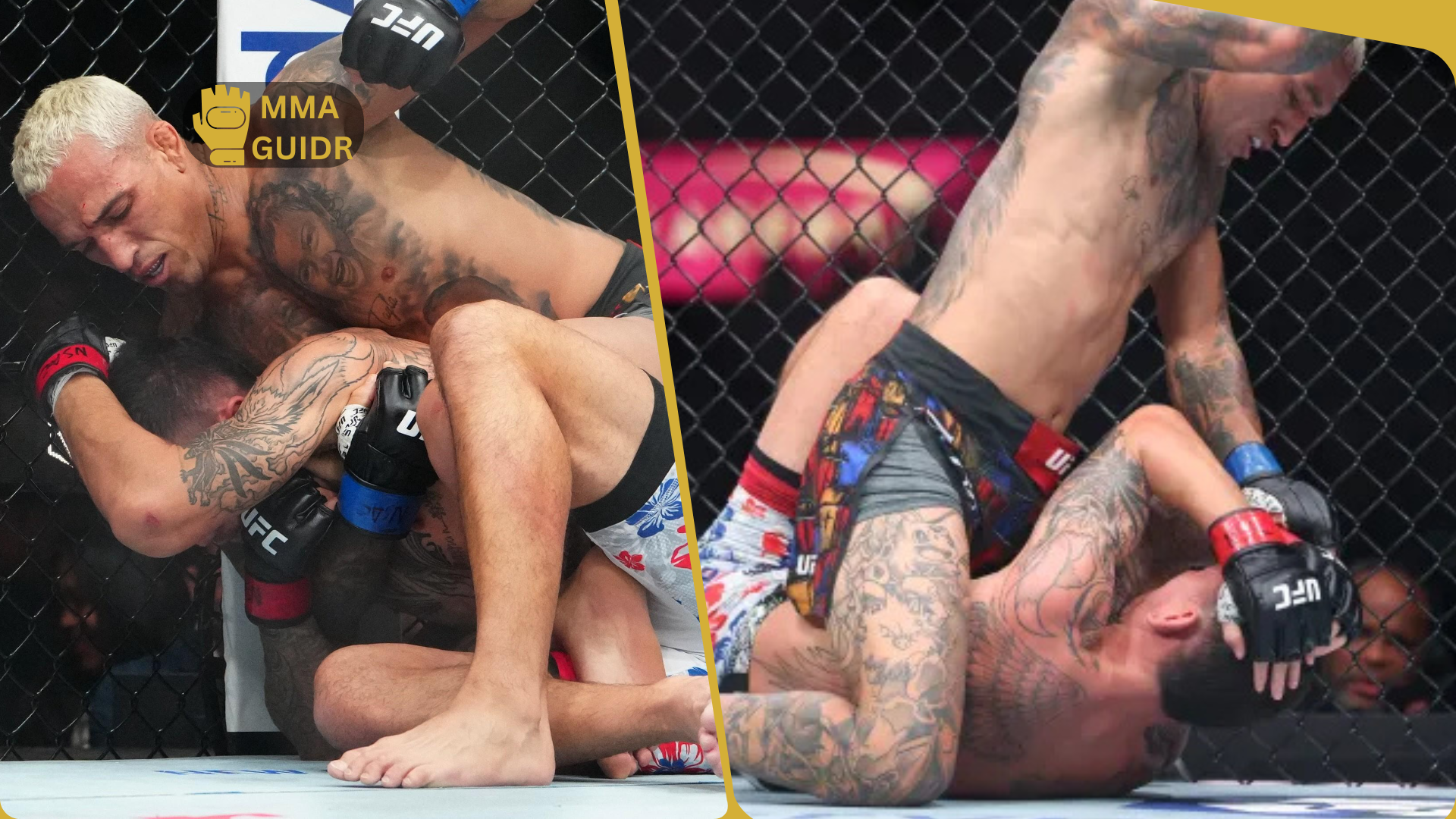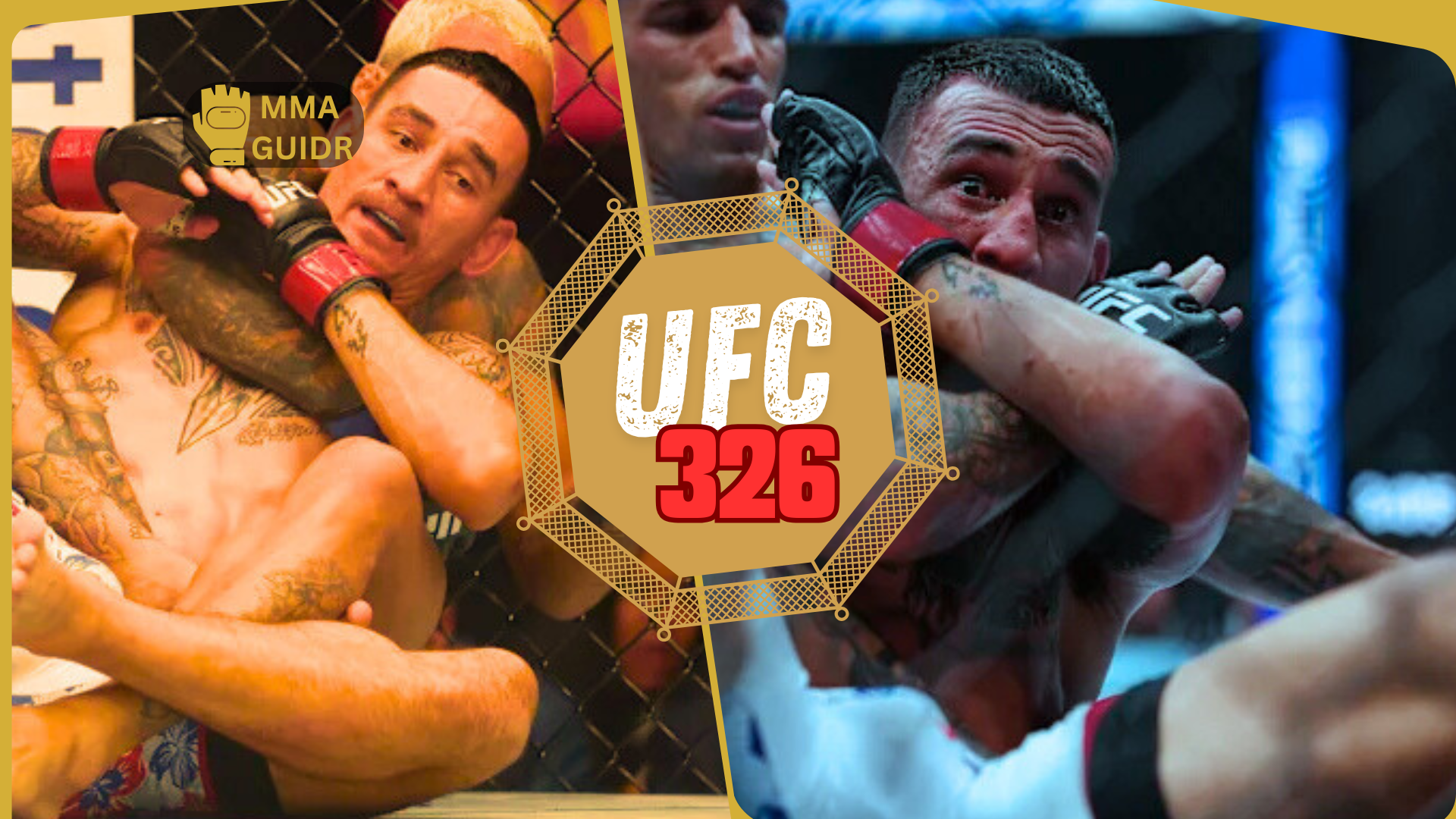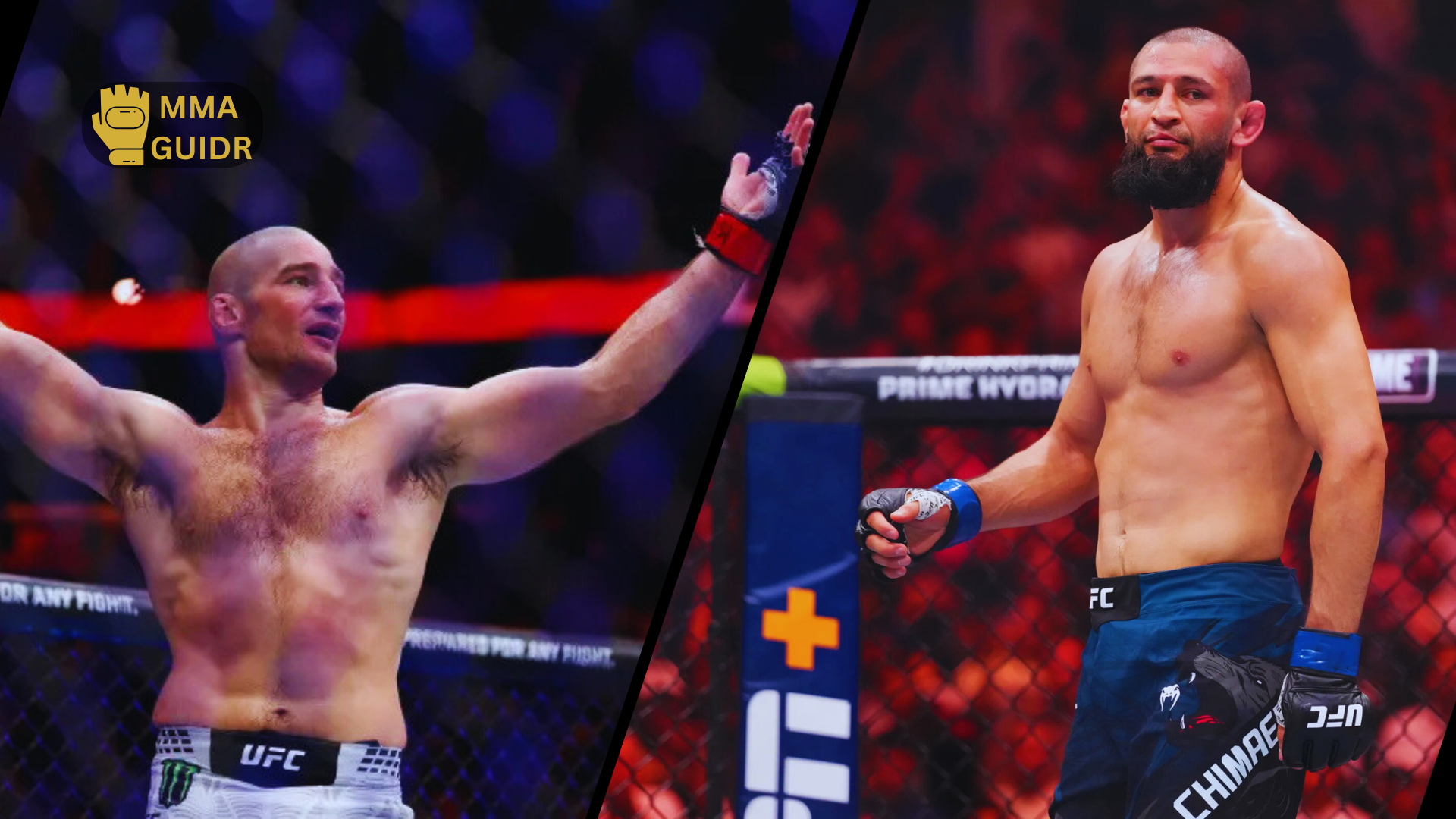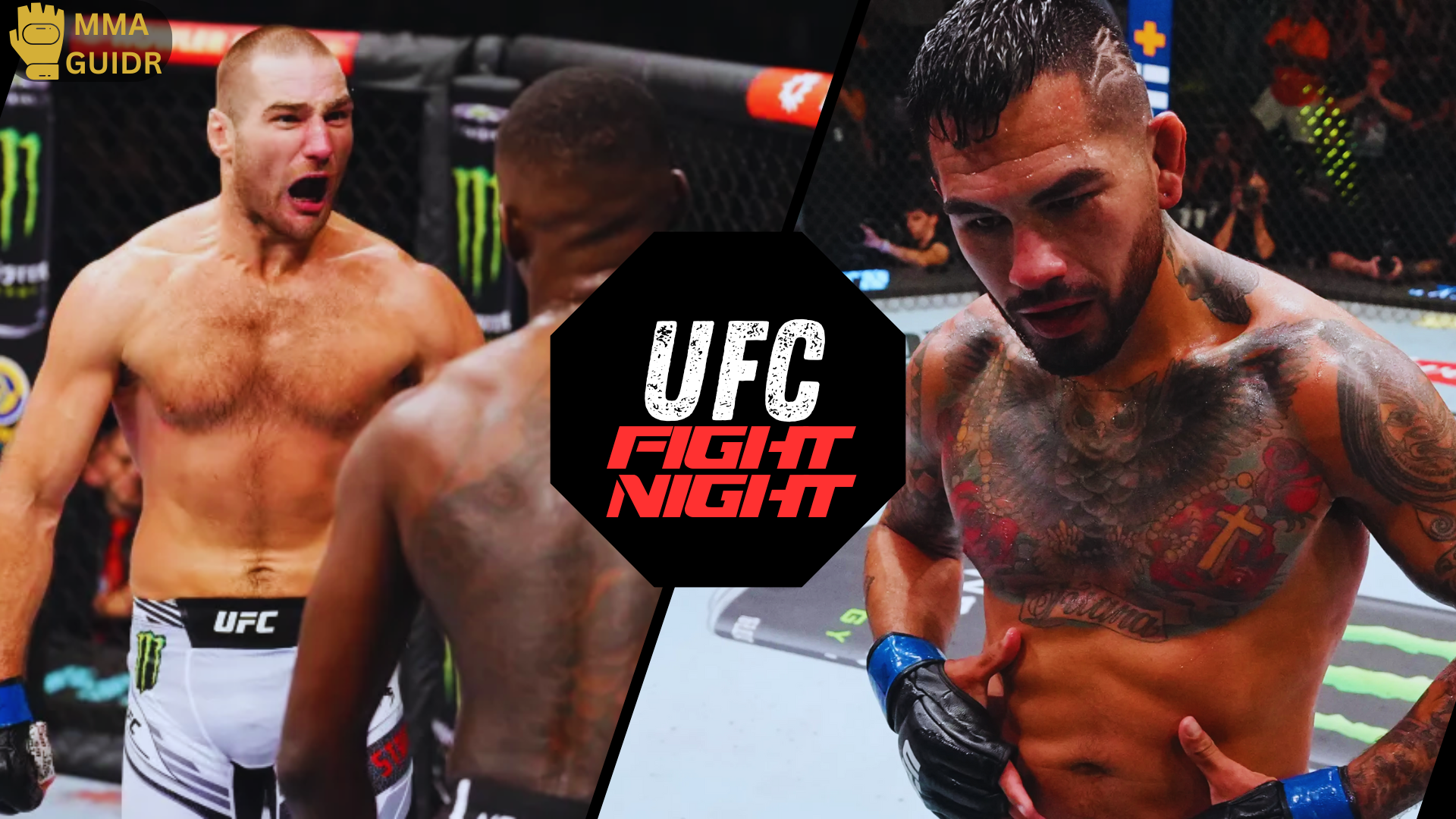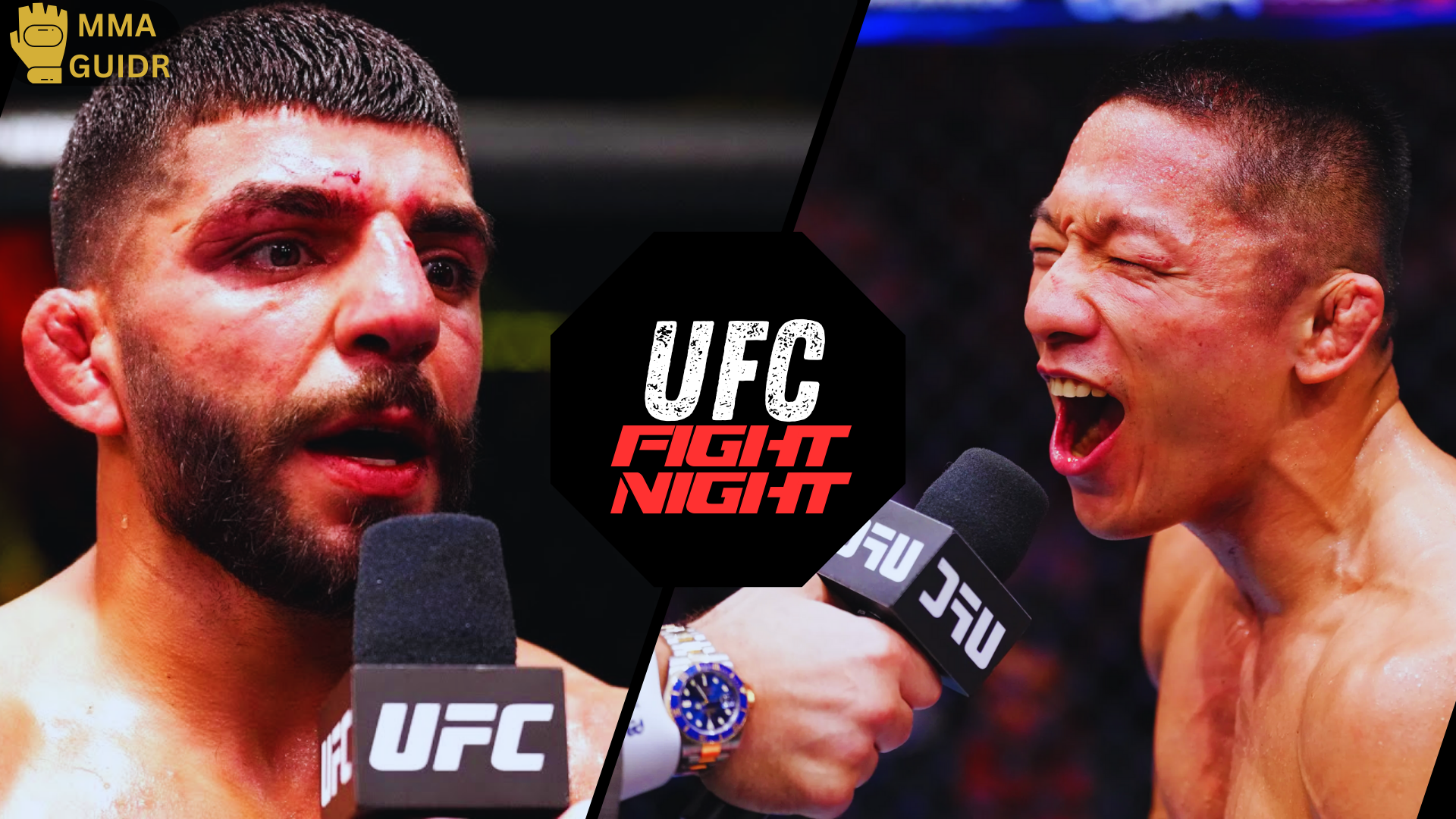
If UFC 326 proved one thing, it is that the MMA landscape in 2026 is defined by evolution. In front of a sold-out T-Mobile Arena in Las Vegas, veteran legends reinvented themselves while rising contenders solidified their claims to the throne. The headline story, of course, was Charles “Do Bronx” Oliveira, who didn’t just defeat Max Holloway in their highly anticipated rematch—he completely neutralized him.
But beyond the main event, the card offered crucial insights into the future of the middleweight and lightweight divisions. Caio Borralho passed the grapple-heavy test of Reinier de Ridder with flying colors, and Drew Dober continued to defy the laws of longevity by extending his all-time knockout record.
Let’s dive deep into the technical breakdown of the night’s biggest performances and what they mean for the future of the UFC.
Charles Oliveira vs. Max Holloway 2: The Grappling Clinic
When the rematch between Charles Oliveira and Max Holloway was announced, the narrative was clear: Could Oliveira get it to the ground before Holloway’s volume striking took over? The answer was an emphatic yes, repeated for twenty-five grueling minutes.
Breaking Down the Strategy
Historically, Max Holloway has boasted one of the best takedown defense rates in featherweight and lightweight history, sitting comfortably around 84%. However, at UFC 326, Oliveira unveiled a wrestling game plan that didn’t rely on explosive double legs but rather on chain wrestling and back-takes from the clinch.
Oliveira’s approach was reminiscent of the classic double leg takedown mechanics but modified for the cage wall. Instead of shooting from a distance, where Holloway’s footwork is elite, Oliveira used pressure to force Holloway to the fence. Once there, he utilized body locks to drag the Hawaiian to the mat, bypassing Holloway’s sprawl entirely.
- Round 1-2: Oliveira secured early takedowns, instantly transitioning to the back. While he didn’t find the submission, the control time drained Holloway’s gas tank early.
- Round 3-4: Holloway attempted to scramble, but Oliveira’s “wet blanket” top pressure—a staple of high-level BJJ—kept him pinned.
- Round 5: A desperation surge from Holloway was met with a perfectly timed level change by Oliveira, sealing a 50-45 sweep on two judges’ scorecards.
This performance mirrored the tactical discipline we saw in our UFC 326 preview, where we questioned if Holloway could handle the sustained grappling pressure of a bigger, stronger Oliveira compared to their first meeting in 2015.
The Cardio Factor
One of the most surprising aspects was Oliveira’s energy management. In the past, “Do Bronx” has faded in later rounds. Here, he looked fresh in the fifth. This suggests a significant adjustment in his energy systems and conditioning training, allowing him to maintain isometric holds without burning out his arms—a common pitfall for submission hunters.
Caio Borralho Halts the “Dutch Knight”
In the co-main event, the middleweight division got a shake-up. Caio Borralho faced the enigmatic Reinier de Ridder, the former two-division ONE Championship king known as “The Dutch Knight.”
De Ridder entered the UFC with a reputation for suffocating grappling, but Borralho proved to be the kryptonite. The Brazilian’s “Fighting Nerd” IQ was on full display. He refused to accept bottom position, using a wide stance and superior judo hips to stuff De Ridder’s entries.
Implications for the Middleweight Top 5
This win is massive. After his previous setback discussed in our recap of his fight against Nassourdine Imavov, Borralho needed a statement win to get back into title contention. By dominating a specialist like De Ridder, Borralho showed he isn’t just a grappler; he is a complete mixed martial artist.
With the middleweight title picture constantly shifting, Borralho’s ability to neutralize elite grapplers makes him a nightmare matchup for the likes of Dricus Du Plessis or even a grappler-heavy Khamzat Chimaev. If he can maintain this weight cutting discipline and defensive consistency, a title shot in late 2026 is undeniable.
Drew Dober: The Lightweight Knockout King stands alone
Death, taxes, and Drew Dober finding the chin. The Nebraska native entered UFC 326 tied for the most knockouts in UFC Lightweight history. He left with the record all to himself.
Facing veteran Michael Johnson, Dober had to navigate dangerous speed early on. Johnson looked sharp in the first round, stinging Dober with straight lefts. But Dober’s chin held up, and his pressure never wavered. In Round 2, Dober cornered Johnson and unleashed a left hook that effectively ended the night.
Analyzing the Finish
Dober’s knockout wasn’t just power; it was setup. He utilized low kicks early to compromise Johnson’s movement. As we have analyzed in our breakdown of the calf kick strategy, taking away an opponent’s mobility forces them to stand still—a death sentence against a power puncher like Dober.
Once Johnson’s lateral movement slowed, Dober stepped into the pocket and traded. It’s a high-risk style, but Dober’s durability allows him to win these exchanges 9 times out of 10. This win cements his legacy not as a champion, but as one of the most violent and entertaining fighters to ever grace the 155lb division.
The Rest of the Card: Future Contenders
UFC 326 wasn’t just about the veterans. Several prospects made waves on the prelims.
- Featherweight Scramble: The prelims featured a high-paced featherweight bout that showcased the evolution of ground and pound. Modern fighters are no longer just holding position; they are inflicting damage from the guard in ways that force referees to step in earlier.
- Heavyweight Power: We also saw a quick finish in the heavyweight division. As analyzed in our 2026 champions outlook, the new generation of heavyweights is moving faster and hitting harder, blurring the lines between weight classes in terms of athleticism.
What’s Next for the Winners?
Charles Oliveira
Oliveira is now close to being the #1 contender. A re-match showdown with Arman Tsarukyan seems inevitable. His performance at UFC 326 proved he has fixed the holes in his wrestling defense that cost him previous title fights.
Caio Borralho
Borralho should be looking at a Top 3 opponent. A fight against a striker like Robert Whittaker (if available) or a rematch with Imavov would determine the next true challenger for the belt.
Drew Dober
Give this man a fun fight. A BMF-style matchup against a brawler like Dan Hooker or a rising action fighter would be perfect. Rankings matter less for Dober now; it’s about extending that KO record and cashing checks.
Conclusion
UFC 326 will be remembered as the night Charles Oliveira reinvented himself from a submission specialist into a wrestling powerhouse. It was a card that balanced the technical brilliance of Borralho with the raw violence of Drew Dober, satisfying every type of fight fan. As we look toward the rest of 2026, the Lightweight and Middleweight divisions have never looked more exciting.
FAQ: UFC 326 and Fighter Styles
1. How did Charles Oliveira improve his wrestling so much?
Oliveira has always had elite BJJ, but his recent camps have focused heavily on wrestling for MMA—specifically using the cage to support takedowns and improving his reactive shots to counter strikers like Holloway.
2. What is the difference between Caio Borralho’s style and a traditional BJJ fighter?
Borralho is a “modern” grappler. Unlike traditional BJJ players who might pull guard, Borralho emphasizes top control, wrestling reversals, and safe, high-percentage striking to manage distance. He fights with a high “Fight IQ” to win rounds.
3. Who holds the record for most knockouts in UFC history?
Derrick Lewis holds the overall record, but Drew Dober now holds the specific record for the most knockouts in the Lightweight division, a testament to his power at 155 lbs.
4. Why are calf kicks so effective in modern MMA?
As seen in Dober’s setup, calf kicks target the peroneal nerve. They can shut down a fighter’s leg without requiring the attacker to enter punching range, compromising movement and balance. Read more about this in our evolution of the calf kick article.
5. Is weight cutting getting more dangerous in 2026?
While the science is improving, fighters are cutting more weight than ever to gain size advantages. This makes hydration and recovery strategies crucial for performance and brain health. Check out our guide on weight cutting science for more details.