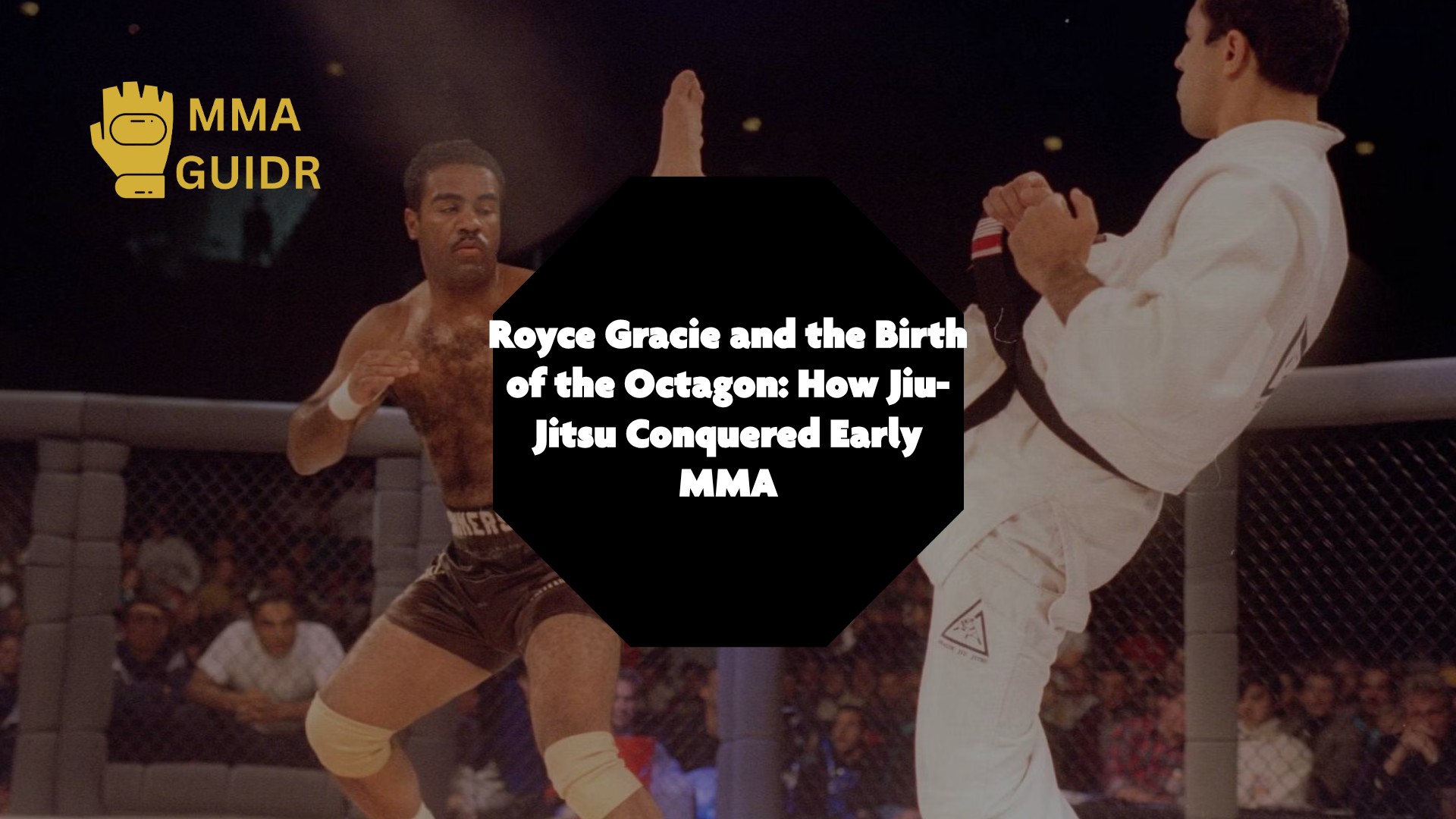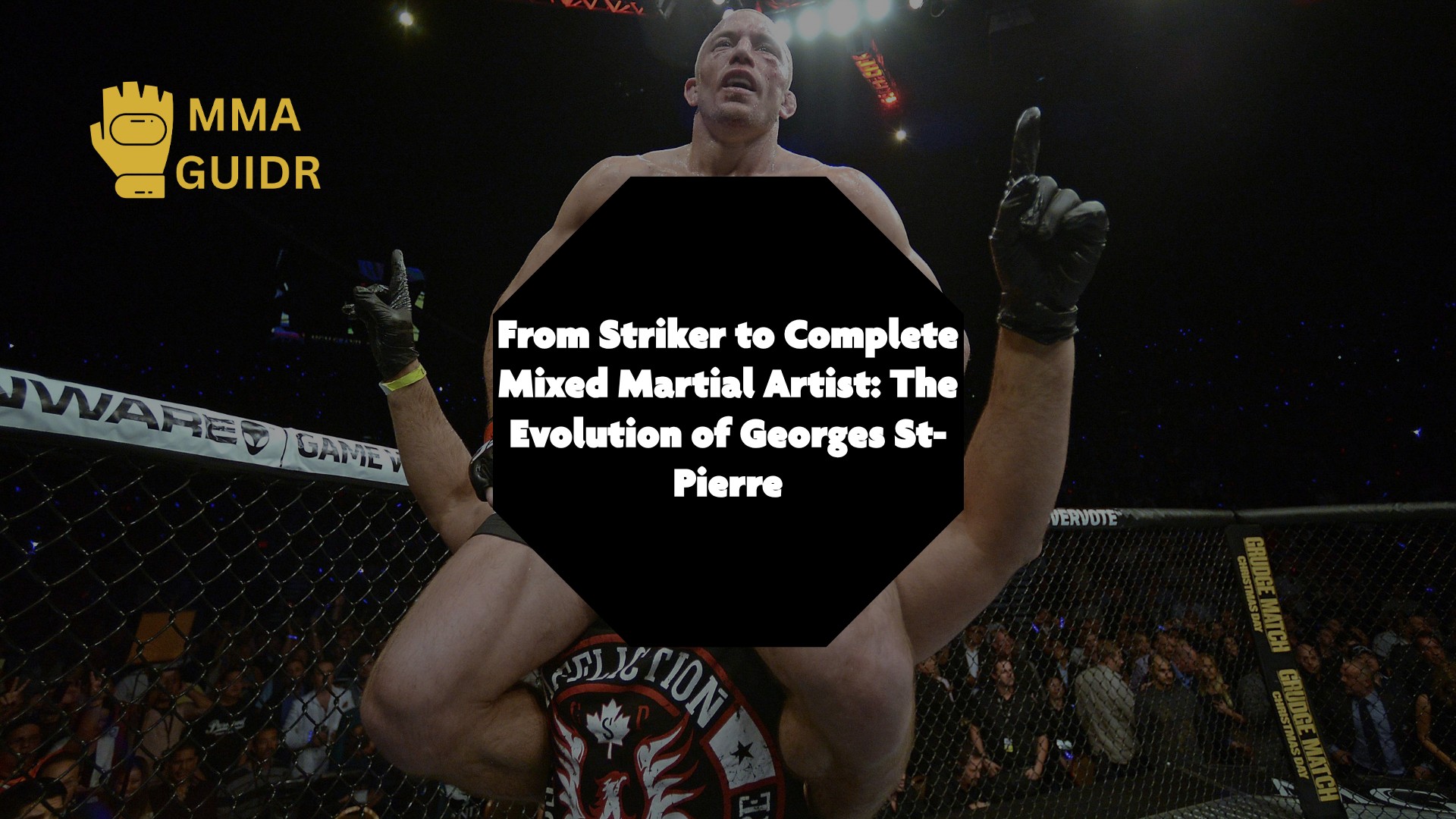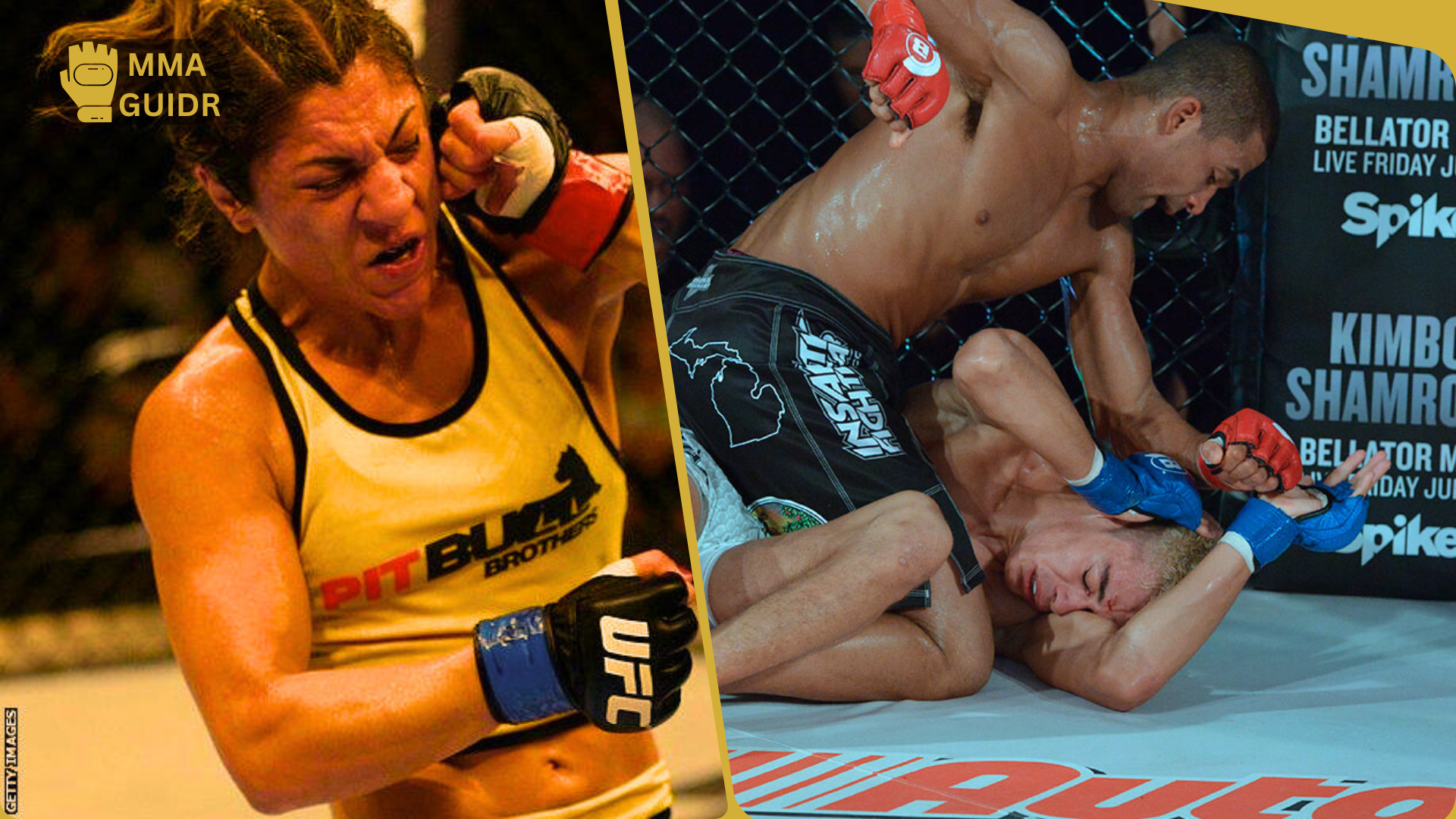
Before November 12, 1993, the global perception of martial arts was largely shaped by Hollywood action films and traditional striking disciplines like Karate, Taekwondo, and Boxing. Grappling, particularly ground fighting, was widely misunderstood or ignored by the mainstream public. That changed in a single night at the McNichols Sports Arena in Denver, Colorado. When a slender, unassuming Brazilian named Royce Gracie stepped into the eight-sided cage at the inaugural Ultimate Fighting Championship (UFC 1), he did more than win a tournament. He dismantled the prevailing myth that size and striking power were the ultimate determining factors in a fight, introduced Brazilian Jiu-Jitsu to a global audience, and catalyzed the evolution of modern mixed martial arts (MMA).
The Genesis of the Ultimate Fighting Championship
The original concept for the UFC was born from a partnership between promoter Art Davie and Rorion Gracie. Their goal was to answer a simple, age-old question: which martial art is the most effective in a real, no-holds-barred fight? Partnering with Semaphore Entertainment Group (SEG) to broadcast the event on pay-per-view, they created a spectacle designed to showcase style-versus-style matchups.
To provide a neutral and visually striking battleground, the promoters designed the Octagon. Unlike a traditional boxing ring, the fenced enclosure prevented fighters from falling out or easily escaping the pressure of an opponent, forcing engagements and simulating the inescapable reality of a real physical confrontation.
The Strategic Selection of Royce Gracie
A common historical misconception is that Royce Gracie was chosen to represent his family’s art because he was their most formidable fighter. In reality, it is widely acknowledged by the Gracie family that Rickson Gracie was their most skilled champion during that era. However, Rorion Gracie made a calculated promotional decision in selecting his younger brother, Royce.
Weighing roughly 175 pounds and possessing a slender physique, Royce was chosen specifically because he did not look like a traditional fighter. The visual of Royce, wearing a traditional white gi, stepping into the Octagon against significantly larger and more physically imposing men was striking. Rorion knew that if a massive, muscular fighter like Rickson dominated the tournament, spectators might attribute the victory to physical attributes. By selecting Royce, the Gracies ensured that the victories would clearly demonstrate that leverage, technique, and positional dominance could overcome massive size and strength advantages.
The Ruleset of the Early Octagon
Early UFC events featured a ruleset that was incredibly permissive by modern Unified Rules standards, though it was not the completely lawless “bloodsport” that critics often claimed. The original tournament featured:
- No weight classes: Fighters of any size could be matched against one another.
- No time limits: Bouts continued until a definitive conclusion was reached.
- No judges: Fights could only end via knockout, submission, or corner stoppage.
- Minimal fouls: The only prohibited acts initially were biting, eye-gouging, and groin strikes (the latter of which only carried a monetary fine).
This raw environment was designed to strip away the protective regulations of sport combat and reveal the absolute truth of unarmed combat effectiveness.
Dismantling the Striking Myth at UFC 1
Royce Gracie’s strategy at UFC 1 relied on closing the distance safely to avoid strikes, securing a clinch, and taking the fight to the ground. Because his opponents had little to no understanding of submission grappling, they were entirely defenseless once taken down. He utilized the concept of positional dominance—specifically the guard, mount, and back control—to neutralize explosive power.
| Opponent | Background | Method of Victory | Historical Significance |
|---|---|---|---|
| Art Jimmerson | Professional Boxer | Submission (Mount) | Jimmerson famously wore one boxing glove. Royce took him down, achieved the mount, and Jimmerson submitted simply from the positional pressure and inability to escape. |
| Ken Shamrock | Shootfighter | Submission (Gi Choke) | Shamrock had actual grappling experience. Royce utilized his gi to secure a choke from the bottom position, proving the guard was an offensive weapon. |
| Gerard Gordeau | Savate Champion | Submission (Rear-Naked Choke) | Royce took the larger striker down, secured his back, and applied a rear-naked choke to win the inaugural tournament. |
Remarkably, Royce’s combined fight time for these three bouts was under five minutes, proving the terrifying efficiency of ground fighting against uneducated opponents.
The Ultimate David vs. Goliath: UFC 4
While UFC 1 introduced Jiu-Jitsu to the world, UFC 4 provided the ultimate example of the size myth being dismantled. In the tournament final, Royce faced Dan Severn, a massive, world-class wrestler who outweighed him by over 80 pounds. Severn used his superior wrestling to take Royce down and dominate the top position for over 15 minutes.
However, Royce remained patient and composed off his back in the closed guard. Despite absorbing punishment and carrying the weight of a much larger man, Royce eventually capitalized on a positional mistake by Severn and secured a triangle choke. The massive wrestler was forced to tap out, providing undeniable proof that technique and leverage could conquer brute strength and immense weight disadvantages.
Addressing Common Misconceptions
The early days of the UFC are often shrouded in myth. Beyond the misconception about Royce being the family’s best fighter, many believe he won solely because he possessed a “secret” martial art. While the element of surprise was a massive advantage, Royce’s success was heavily dependent on his high fight IQ, his disciplined distance management, and his exceptional composure under pressure.
Furthermore, while the events were marketed with the tagline “There Are No Rules,” UFC 1 did have a referee (Joao Alberto Barreto) to maintain a baseline of safety. The lack of rules was a promotional hook, but the reality was a controlled, albeit highly permissive, experiment in martial arts effectiveness.
The Paradigm Shift: From Single Discipline to Mixed Martial Arts
Royce Gracie went on to win UFC 1, UFC 2, and UFC 4. His dominance forced the martial arts community to face a harsh reality: a fighter who does not know how to fight on the ground is fundamentally incomplete. Striking alone was no longer enough.
This realization birthed the era of cross-training. Wrestlers began learning submission defense, strikers began learning takedown defense, and Jiu-Jitsu practitioners had to adapt to opponents who knew how to counter their techniques. Royce Gracie’s early Octagon performances did not just prove the effectiveness of his family’s art; they laid the foundational blueprint for what would eventually evolve into the highly regulated, multi-disciplinary sport of modern mixed martial arts.