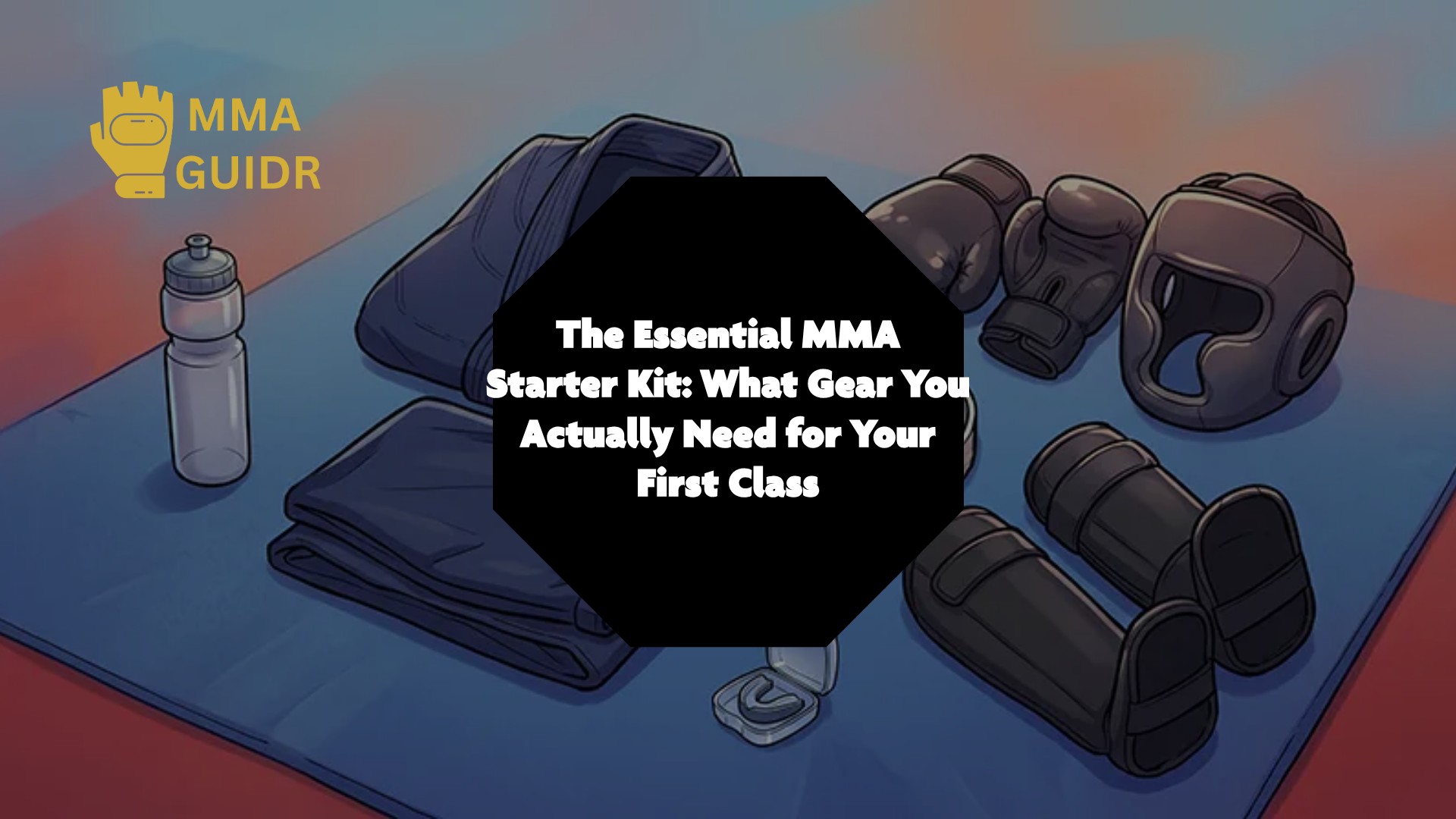
Stepping into a mixed martial arts gym for the first time is an intimidating experience, and figuring out what equipment to bring can be just as confusing. A common mistake new practitioners make is either showing up empty-handed or spending a small fortune on the wrong type of gear. While you do not need a professional fighter’s locker room setup on day one, arriving with the correct foundational equipment ensures your safety, protects your training partners, and keeps you compliant with gym rules.
Mixed martial arts blends striking disciplines like Muay Thai and boxing with grappling arts like wrestling and Brazilian Jiu-Jitsu. Because the training is so dynamic, the required gear must adapt to different ranges of combat. This guide breaks down the mandatory equipment every MMA beginner needs, separating essential investments from unnecessary purchases.
The Non-Negotiable Foundation: Mouthguards
If you only buy one piece of gear before your first class, make it a mouthguard. It is universally considered the most critical piece of protective equipment in combat sports. A high-quality mouthguard protects your teeth, lips, and cheeks from impact, while also helping to stabilize the jawline during collisions.
A common beginner misconception is that mouthguards are only necessary for striking classes. In reality, they are equally essential for grappling. During wrestling or Jiu-Jitsu scrambles, accidental headbutts, stray knees, and heavy cross-face pressure frequently occur. Without a mouthguard, a sudden impact can easily cause the jaw to slam shut, resulting in chipped teeth or severe dental trauma.
- Boil-and-Bite: The standard for beginners. Made of thermoplastic, these are softened in boiling water and bitten into to create a custom mold of your upper teeth.
- Custom-Fit: Crafted from dental impressions. They offer a much tighter fit, allowing for easier breathing and speaking during intense cardiovascular exertion, though they come at a higher price point.
Groin Protection: Essential Safety for the Mats
For male practitioners, a groin protector (cup) is a mandatory piece of safety equipment. In MMA, accidental low blows are a reality of the sport, whether from an errant inside leg kick during striking drills or a high-leverage hip toss during grappling exchanges. A quality cup prevents severe injuries such as tissue tearing or testicular rupture.
Modern MMA cups are constructed from high-impact materials like polycarbonate, polypropylene, or carbon fiber. When selecting a groin protector, the housing system is just as important as the cup itself. Most modern MMA gyms recommend compression shorts with an integrated cup pocket or a dedicated athletic jockstrap. These systems keep the cup firmly anchored against the body during dynamic movements, preventing the hard edges of the cup from shifting and causing secondary injuries.
Hand Wraps: The First Layer of Defense
Before you ever put on a pair of gloves, you need hand wraps. Worn directly against the skin, hand wraps serve two primary purposes: structural support and hygiene.
The human hand is made up of dozens of small, fragile bones. Semi-elastic cotton wraps (often called Mexican-style wraps) tightly bind the carpals and metacarpals together, distributing the shock of a punch across the entire fist rather than isolating it on a single knuckle. They also lock the wrist joint into place, preventing it from buckling backward upon impact. Practically, hand wraps also act as a sponge, absorbing sweat during training. This prevents the interior foam of your gloves from breaking down prematurely and developing severe bacterial odors.
The Glove Dilemma: Boxing Gloves vs. MMA Sparring Gloves
The most frequent error beginners make is buying 4oz UFC-style competition gloves for their first class. Do not buy 4oz gloves for beginner training. Competition gloves offer minimal knuckle padding and are designed to inflict damage, making them strictly prohibited for sparring or partner drills in any reputable gym.
Instead, a beginner’s MMA kit requires two distinct types of gloves:
- 16oz Boxing Gloves: This is the industry standard for striking drills, pad work, and heavy sparring. The dense impact foam and pre-curved padding significantly lessen the concussive force delivered to a training partner, while maximizing protection for the user’s hands.
- 7oz to 8oz Hybrid MMA Sparring Gloves: Used for drills that combine striking with grappling (takedowns and submissions). These feature a segmented thumb and an open palm to allow for gripping, but they carry much thicker padding over the knuckles than 4oz competition gloves to provide a baseline of safety for light head strikes.
Shin Guards: Protecting Your Legs and Your Partners
Shin guards are mandatory for the kickboxing and Muay Thai elements of MMA. When throwing or checking (blocking) kicks, the impact on the tibia and instep can be agonizing. Shin guards cushion these blows, preventing deep bone bruising, micro-fractures, and skin lacerations.
For beginners, thick, instep-covering Muay Thai-style shin guards with heavy hook-and-loop (Velcro) straps are highly recommended. While thinner, slip-on neoprene shin guards exist (often used for grappling-heavy MMA sparring), they do not offer enough impact absorption for a beginner whose shins have not yet been conditioned to heavy striking.
Appropriate Gym Attire: Rash Guards and Shorts
While protective equipment is the priority, what you wear under it matters. Traditional loose-fitting cotton t-shirts are a poor choice for MMA; they absorb sweat like a towel, stretch out, and easily trap fingers and toes during grappling scrambles.
Invest in synthetic, form-fitting athletic wear. A compression shirt (rash guard) protects your skin from mat burn and common gym infections like ringworm or staph. Pair this with board-style MMA shorts or grappling spats (compression pants) that do not have pockets, zippers, or metal grommets, which can severely scratch your training partners or damage the gym mats.
Avoiding Common Beginner Gear Mistakes
As you assemble your starter kit, keep the following guidelines in mind to ensure you are investing wisely:
| The Misconception | The Reality |
|---|---|
| “Starter Kits” are always the best deal. | Pre-packaged bundles often compromise on the quality of specific items (like thinner glove foam or weak Velcro) to keep prices low. Buying quality individual pieces is usually safer and more durable. |
| I only need a mouthguard for sparring. | Mouthguards should be worn during all partner drills, including light grappling and wrestling, to prevent accidental dental trauma. |
| Lighter gloves will make me faster. | Using 16oz gloves builds shoulder endurance. More importantly, heavy gloves are a strict safety requirement to protect your training partners from unnecessary head trauma. |
Starting MMA is a long-term journey. By prioritizing safety and investing in a quality mouthguard, proper groin protection, 16oz boxing gloves, thick shin guards, and supportive hand wraps, you will step onto the mats prepared, protected, and ready to learn.